When considering WPC wall panels for outdoor applications, understanding the production process can significantly influence design choices and pricing strategies. Wood plastic composite, or WPC, is a material made from a blend of wood fibers and thermoplastics, which offers a durable and aesthetically pleasing alternative to traditional wood or vinyl products. The production of WPC panels involves several steps, each impacting the overall cost and feasibility of the design.
The first stage in the manufacturing process is the selection of raw materials. The quality and source of wood fibers and plastic resins used can vary widely, affecting both performance and price. Recycled plastics are often used to produce WPC, which not only helps reduce costs but also appeals to environmentally conscious consumers. However, the use of higher-quality wood fibers or virgin plastics can elevate the price point. It is essential to find a balance that aligns with the desired aesthetic and functional requirements while keeping the budget in check.
Next, the wood fibers and plastic resins undergo a thorough mixing process. This step is crucial, as the ratio of wood to plastic can influence the strength, flexibility, and durability of the final product. A higher wood content typically provides a more natural appearance and feel, while a higher plastic content may enhance resistance to water, mold, and pests. Manufacturers often conduct tests during this phase to determine the optimal blend for specific applications, which can further impact production costs.
Once the materials are mixed, the composite is subjected to a heating and extrusion process. This step involves melting the mixture and forcing it through a mold to create panels of the desired shape and size. The extrusion process is efficient but requires significant energy input, which can contribute to overall production costs. Manufacturers often look for ways to optimize energy use, such as investing in more efficient machinery or implementing recycling protocols for scrap materials generated during production.
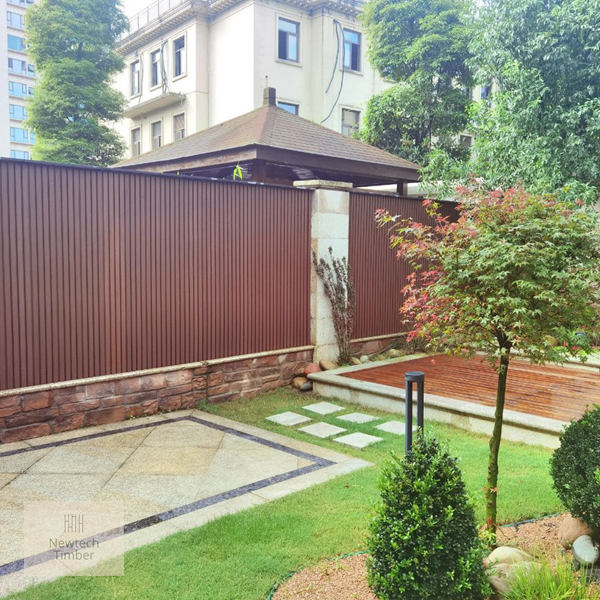
After extrusion, the panels typically undergo cooling and finishing processes. Surface treatments, such as embossing or painting, can enhance the aesthetic appeal of WPC wall panels, allowing for a variety of design options. However, these additional processes can also increase costs. For budget-conscious designs, opting for simpler finishes or natural textures may be a more economical choice while still achieving an attractive look.
The final step in the production process involves quality control and testing. Ensuring that the panels meet industry standards for durability, safety, and environmental impact is vital. This can involve additional testing and certification that may add to the cost. However, investing in quality assurance can ultimately result in lower maintenance costs and longer product lifespans, which are essential considerations for outdoor applications.
When it comes to pricing WPC wall panels for outdoor use, several factors come into play. The initial material costs, production efficiency, and finishing processes all contribute to the final price. Additionally, market competition and demand for eco-friendly materials can influence pricing strategies. Manufacturers who can streamline their processes and utilize cost-effective materials without sacrificing quality will likely offer more budget-friendly solutions.
Moreover, the design of WPC wall panels can be tailored to meet various aesthetic preferences and functional needs. Customizable options may be appealing for some projects but can lead to higher costs. Standard sizes and finishes may provide a more cost-effective solution for those looking to stay within budget while still achieving a stylish outdoor design.

In summary, the production process of WPC wall panels encompasses various stages that directly impact their design and pricing. By understanding each step from material selection to manufacturing techniques, designers and consumers can make informed decisions that align with their budget while still achieving high-quality outdoor solutions. The versatility of WPC as a material allows for countless design possibilities, making it an attractive choice for anyone looking to enhance their outdoor spaces without overspending.

