Durability of Composite Decking
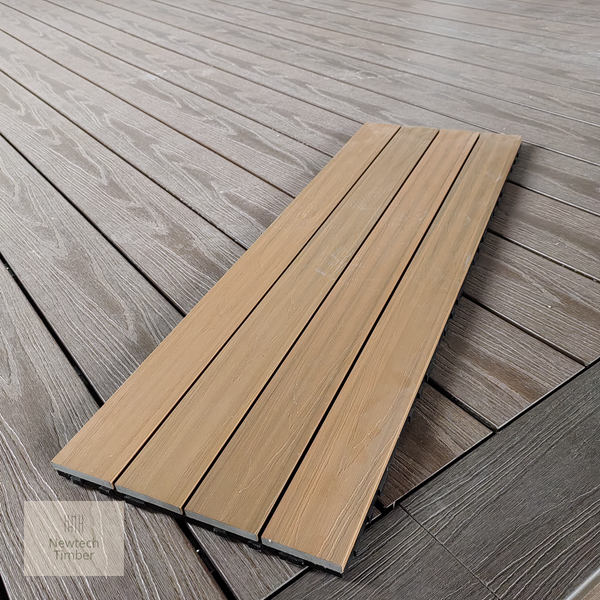
Composite decking has gained significant traction in recent years as a preferred alternative to traditional timber and other exterior materials. The durability of composite decking is one of its standout qualities, allowing it to withstand the rigours of outdoor environments without the frequent maintenance that natural wood demands. Unlike timber, which is susceptible to rot, warping, and insect infestations, composite materials are engineered from a blend of recycled wood fibres and plastic, resulting in a product that resists moisture and UV damage much more effectively. This resistance not only enhances the aesthetic appeal over time but also reduces the need for regular treatments, such as staining or sealing.
Furthermore, the longevity of composite decking significantly affects lifecycle costs. While the initial investment may be higher compared to traditional wood, the long-term savings associated with maintenance and replacement make composite decking a financially sound choice for many homeowners and businesses. As the material does not splinter or crack, it also provides a safer surface for foot traffic, particularly in family environments or areas frequented by children.
Comparing Composite Decking with Traditional Timber
When evaluating the benefits of composite decking against traditional timber, several factors must be considered. Timber has a timeless aesthetic and is often favoured for its natural beauty. However, it requires rigorous maintenance to keep it in good condition. Regular staining, sealing, and the application of preservatives are needed to protect wood from the elements, which can be both time-consuming and costly. In contrast, the low-maintenance nature of composite decking allows for more leisure time and less worry about ongoing upkeep.
Additionally, the environmental impact of using composite decking can be more favourable than that of traditional timber. Many composite products are made from recycled materials, reducing waste and promoting sustainability. This factor is increasingly important to modern consumers who prioritise eco-friendly options in their building materials.
Performance Compared to Aluminium and Other Materials
Aluminium decking has been celebrated for its strength and resistance to corrosion. However, it can be significantly cooler underfoot and may not provide the same warmth or aesthetic appeal as wood or composite options. Composite decking offers a middle ground, delivering a visually appealing surface that remains comfortable in varying temperatures. The absence of thermal expansion issues that plague both timber and aluminium further enhances the stability of composite decking during temperature fluctuations.
Moreover, while aluminium does not rot, it can become dented or scratched, which compromises its visual integrity. Composite decking, on the other hand, is engineered to resist such damage, maintaining its appearance over time with minimal effort. The combination of durability and aesthetic versatility makes composite decking a strong contender against other materials, particularly for outdoor applications.

Maintenance Requirements of Different Materials
The maintenance requirements of various outdoor materials highlight the practicality of composite decking. Traditional wood needs regular inspections for signs of decay, while aluminium may require occasional cleaning to prevent oxidation. Composite decking, in contrast, only requires occasional cleaning with soap and water to remove dirt and debris. This ease of maintenance is a significant selling point for property owners looking for hassle-free solutions.
Furthermore, the resistance of composite decking to fading and staining ensures that it retains its colour and appearance longer than other materials. This characteristic not only enhances the aesthetic appeal but also builds confidence in the longevity of the investment, as property owners will not need to frequently replace or repaint surfaces.
Lifecycle Costs of Composite Decking vs Other Materials
When assessing lifecycle costs, composite decking stands out favourably. Although the initial purchase price may be higher than traditional wood, the reduced maintenance expenses and longevity of the material translate to lower costs over time. In contrast, timber requires ongoing investment in treatments and potential replacement every few years, significantly increasing overall expenditure.
Aluminium, while durable, often comes with a higher upfront cost and lacks the warmth of natural materials, which may deter some buyers. On the other hand, composite decking provides a compelling blend of aesthetics, durability, and cost-effectiveness, making it an appealing choice for both residential and commercial projects. As sustainability continues to shape consumer preferences, the advantages of composite decking will likely become even more pronounced.

