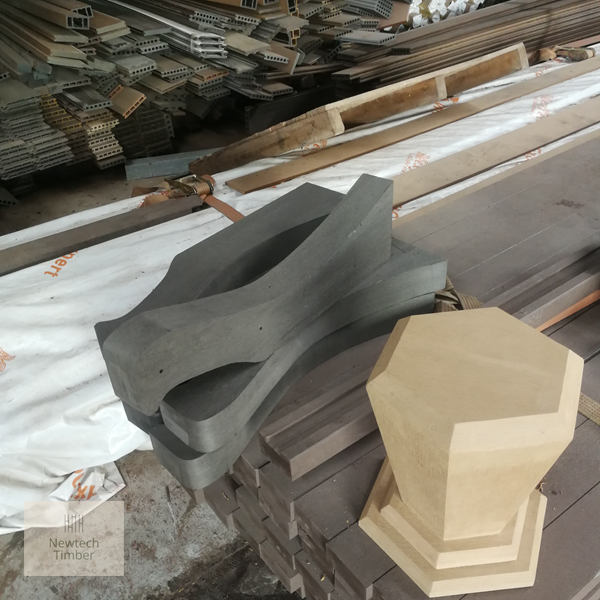
The Appeal of Plastic Flooring That Looks Like Wood
Plastic flooring that looks like wood has become an essential choice for modern outdoor spaces, capturing the aesthetic of traditional timber without the drawbacks associated with natural materials. Landscape architects and designers appreciate the versatility of wood plastic composite (WPC) products, which combine the visual appeal of wood with enhanced durability and low maintenance requirements. This material addresses common concerns such as rot, warping, and insect damage, making it particularly suited for outdoor environments that demand longevity and resilience.
With advancements in manufacturing techniques, the texture and appearance of WPC flooring can closely resemble that of real wood, enabling designers to create cohesive and inviting spaces. The visual warmth and natural feel of these products can enhance gardens, patios, and commercial landscaping projects, offering a stylish yet practical solution.
Durability Meets Aesthetic Value
Choosing plastic flooring that looks like wood is not solely an aesthetic decision but also a strategic one. WPC materials are engineered to withstand the rigours of outdoor use, resisting fading, staining, and the effects of moisture. This durability is particularly important in regions prone to adverse weather conditions, where traditional wood can deteriorate rapidly.
The ability to maintain a beautiful appearance over time means that WPC products can be a cost-effective choice, reducing the need for frequent repairs or replacements. Landscape designers can focus on creating engaging environments without the concern of ongoing maintenance that natural wood often necessitates.
Design Flexibility and Sustainability
WPC flooring offers extensive design possibilities, enabling architects and landscape designers to experiment with various layouts, colours, and textures. This flexibility allows for creative freedom in developing unique outdoor spaces tailored to specific client needs and preferences. Furthermore, the variety of styles available means that WPC flooring can complement a wide range of architectural designs, from contemporary to rustic.
In addition to design versatility, WPC products often incorporate recycled materials, aligning with sustainable building practices. This commitment to eco-friendliness resonates well in today’s market, where environmental consciousness plays a significant role in decision-making. By opting for plastic flooring that looks like wood, professionals not only enhance the aesthetic appeal of their projects but also promote sustainable practices in their designs.
Considerations for Material Selection
When selecting WPC products for a project, several factors should be taken into account. The intended use of the space, expected foot traffic, and exposure to the elements are crucial considerations. For high-traffic areas, opting for higher-density WPC can ensure better performance under pressure. Additionally, considering the colour and texture options available will help achieve the desired aesthetic without compromising on functionality.
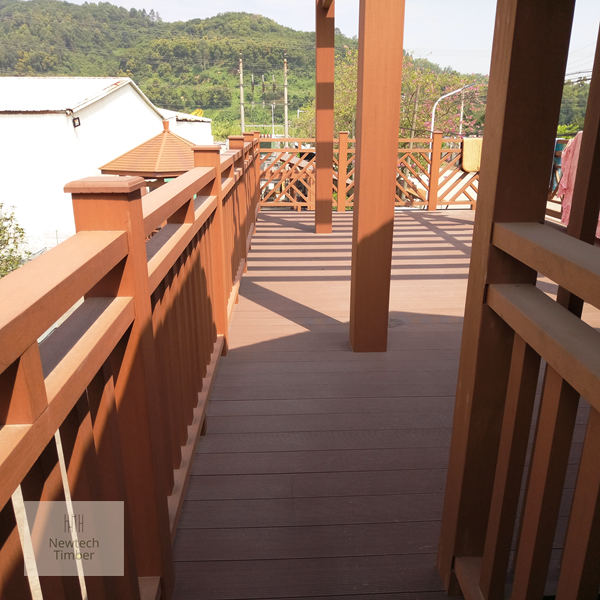
Collaboration with suppliers can provide valuable insight into the characteristics and benefits of different WPC products, helping landscape architects make informed decisions. Considering factors such as warranty offerings and certifications related to environmental impact can further guide the selection process, ensuring that the chosen materials align with project goals.
Creating Low-Maintenance Outdoor Environments
One of the standout benefits of plastic flooring that looks like wood is the low maintenance it offers. Unlike traditional wood, which may require regular staining, sealing, and treatment to preserve its integrity, WPC flooring typically only needs periodic cleaning with soap and water to maintain its appearance. This ease of upkeep allows property owners to spend more time enjoying their outdoor spaces rather than worrying about upkeep.
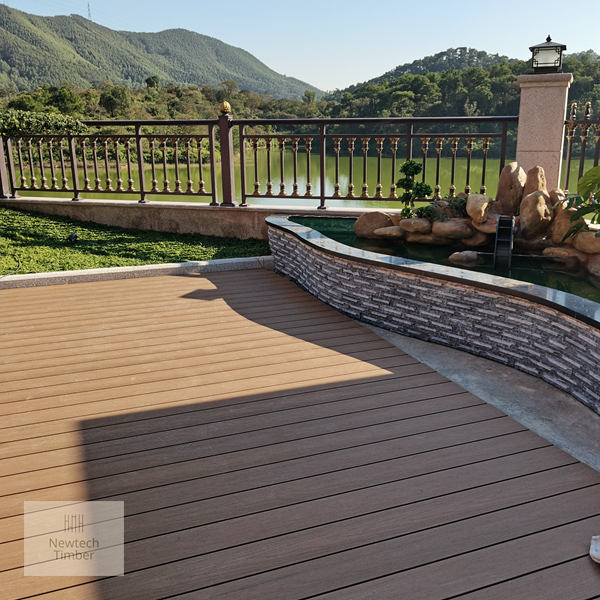
This low-maintenance characteristic is particularly advantageous for commercial projects, where reducing the labour and costs associated with maintenance can significantly impact the overall budget. For instance, in public parks or recreational areas, where high foot traffic is common, WPC products provide a practical solution that meets both aesthetic and functional needs.
Enhancing Outdoor Spaces with WPC Products
The integration of plastic flooring that looks like wood into landscape projects can transform outdoor spaces into functional and attractive environments. Whether for residential gardens, public parks, or commercial developments, the versatility and durability of WPC materials can cater to diverse design requirements while ensuring long-term performance.
By embracing innovative materials like WPC, landscape architects and designers can create outdoor spaces that are not only visually appealing but also aligned with modern sustainability standards. The combination of aesthetic beauty and practical solutions positions WPC products as a frontrunner in contemporary landscape design, ensuring that outdoor environments thrive today and in the future.