Modern Design Trends in Exterior WPC
Recent years have witnessed a remarkable shift in outdoor design, particularly with the rise of exterior WPC (Wood Plastic Composite) materials. These innovative solutions are increasingly favoured for decking, wall panels, fences, pergolas, and gazebos. The versatility of WPC allows designers to create stunning outdoor spaces that combine functionality with aesthetics. By embracing modern design trends, outdoor spaces can achieve a harmonious blend of natural beauty and contemporary style, transforming mundane areas into inviting retreats.
One of the standout features of exterior WPC is its ability to mimic the appearance of natural wood while offering superior durability and weather resistance. This characteristic has become increasingly important to designers who aim to create outdoor environments that feel both rustic and refined. The palettes available have expanded dramatically, now encompassing a range of colours that cater to various tastes and architectural styles. From deep, rich browns that evoke traditional timber to sleek greys that complement minimalist designs, WPC provides options that enhance the visual appeal of any outdoor setting.
Textures and Finishes for Enhanced Aesthetics
Texture plays a pivotal role in the overall impression of exterior WPC products. Designers are now incorporating various finishes to achieve different looks and feels. Whether it is a brushed finish that offers a tactile experience or a smooth surface that emphasises simplicity, the choice of texture can significantly impact the ambience of outdoor spaces. Textured surfaces not only enhance visual interest but also provide greater slip resistance, making them ideal for areas exposed to the elements.
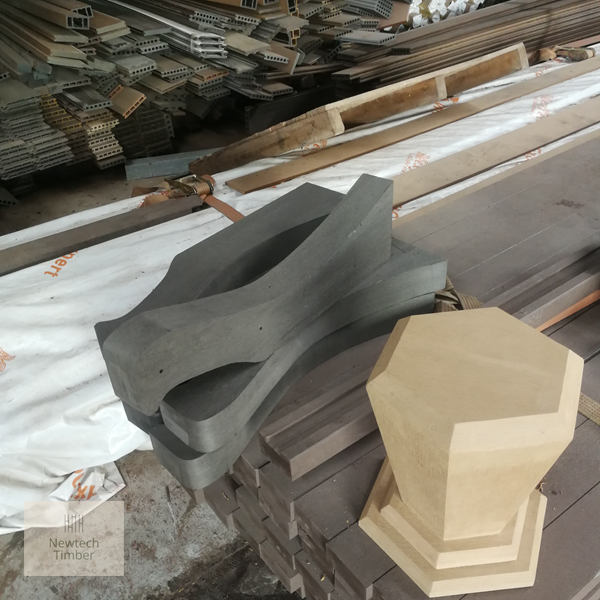
Furthermore, the incorporation of varied profiles in WPC planks and panels allows for creative layout possibilities. Angular designs can create dramatic features, while more organic shapes facilitate a softer, inviting look. The integration of these elements can result in outdoor areas that are not only visually appealing but also practical and safe. For instance, WPC fencing can incorporate intricate designs that complement the adjacent landscape, creating a cohesive outdoor environment.
Modular Designs for Functionality
The trend towards modular designs in exterior WPC products has revolutionised how outdoor spaces are conceived. Modular decking systems enable quick installation and easy reconfiguration, allowing homeowners and designers alike the flexibility to adapt spaces to suit different occasions. This approach is particularly beneficial for multi-functional areas such as patios and gardens, where adaptability is key.
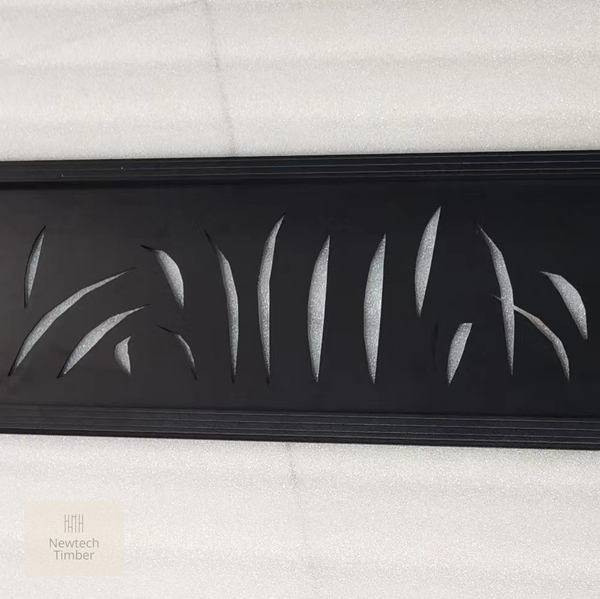
The modularity of WPC components also facilitates customisation, enabling the creation of tailored solutions that meet specific design needs. Consider a pergola designed with adjustable panels that provide shade during the hottest parts of the day but can be opened for sun exposure when desired. Such innovations empower designers to think creatively and provide their clients with appealing outdoor experiences.
Durability Meets Sustainability
Exterior WPC is not only about aesthetics; it also addresses the increasing demand for sustainable building materials. As environmental concerns continue to rise, the use of recycled materials in WPC production presents a solution that aligns with contemporary values. This eco-friendly aspect appeals to both designers and clients who seek to minimise their environmental footprint while enjoying beautiful outdoor spaces.
Moreover, the long-lasting nature of WPC means that outdoor installations require less maintenance and replacement over time, reducing the overall environmental impact. This durability translates into lower upkeep costs, making it a practical and economically viable choice for homeowners and developers.
Enhancing Outdoor Spaces with WPC
The integration of exterior WPC in outdoor designs enhances not only the functionality of spaces but also their overall appeal. As designers continue to explore the potential of WPC materials, the possibilities seem endless. Outdoor wall panels can blend seamlessly with landscaping, while fences can provide privacy without compromising on style.
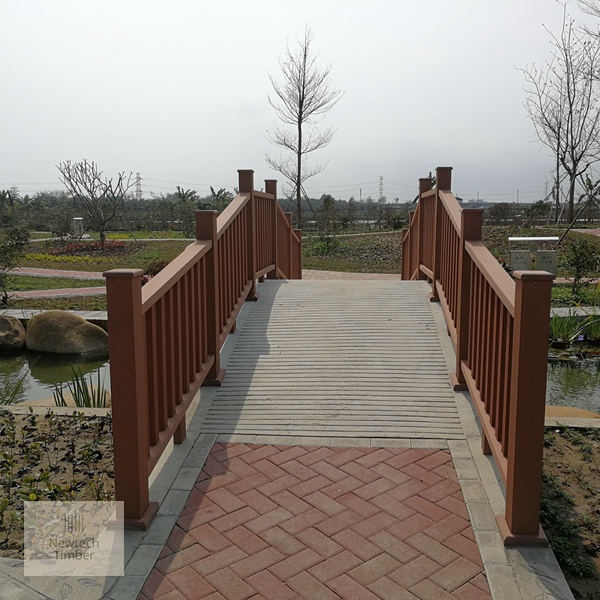
In landscape architecture, WPC products can be used for a variety of applications including seating, garden pathways, and even decorative elements that serve to tie the environment together. The adaptability of WPC, combined with modern design trends, allows for the creation of outdoor spaces that are not only visually stunning but also functionally superior.