The Extrusion Process of Composite Decking
Installing composite decking begins long before the boards reach the homeowner’s backyard; it starts in the extrusion process. This process involves several intricate steps, beginning with the mixing of raw materials. For composite decking, a blend of wood fibres and thermoplastics is used, creating a durable and aesthetically pleasing product. The ratios of these materials are carefully calculated to ensure optimal performance, including strength, flexibility, and resistance to weathering. Once the materials are prepared, they are fed into the extruder, where they are intensely mixed and heated to form a homogenous melt.
Temperature control during the extrusion is critical. The melt must be heated to specific temperatures to ensure that the polymers and wood fibres bond effectively without causing degradation of the material. This is where the expertise of a WPC extrusion technology engineer becomes vital, as maintaining the right temperature profile throughout the extruder guarantees a consistent and high-quality output.
Pelletising for Quality
Once the material is extruded into a continuous profile, it is cooled and cut into pellets. This pelletising step is essential for the subsequent handling and processing of the composite decking. The size of the pellets can affect the efficiency of the extrusion in later stages. Smaller pellets can ensure better flow in the extruder and more uniform melting, while larger pellets might impact the quality of the final decking boards.
During the pelletising process, it is also vital to monitor the moisture content of the material. Excess moisture can lead to problems during extrusion, such as blowouts or surface defects on the finished boards. Proper drying techniques are employed to ensure that the pellets are optimally prepared for the next stage of production.
Designing the Mold
The next step involves mold design, which is a critical component in determining the final appearance and dimensional stability of composite decking. Custom moulds are crafted to shape the extruded material into the desired profiles and dimensions. The precision of these molds can significantly affect the quality of the finished product, including the surface texture and finish. An experienced WPC mold design engineer will ensure that the moulds are designed to accommodate the thermal expansion and contraction characteristics of the composite materials.
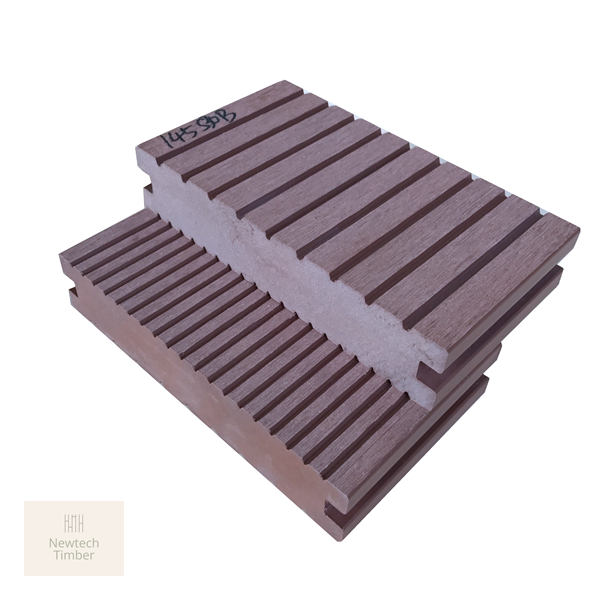
During the extrusion, the material is forced into the mold under pressure, which shapes the decking boards. It is essential that the mould is designed to facilitate good flow of the molten material to avoid any defects such as voids or inconsistencies in thickness. The cooling system integrated within the mold also plays a crucial role, allowing the boards to set quickly while maintaining their shape and structural integrity.
Cooling Calibration for Consistency
Once the material fills the mold, it needs to be cooled for the boards to solidify properly. This cooling calibration process must be finely tuned, as uneven cooling can result in warping or stress within the boards. Efficient cooling systems use water or air to remove heat from the boards as they exit the mould. The right balance of cooling time and temperature is crucial, as it influences the final density and mechanical properties of the composite decking.
After cooling, the boards are cut to length and prepared for surface treatment. This step ensures that the decking boards not only meet aesthetic standards but also provide the necessary slip resistance and weathering capabilities for outdoor environments.
Surface Treatment Techniques
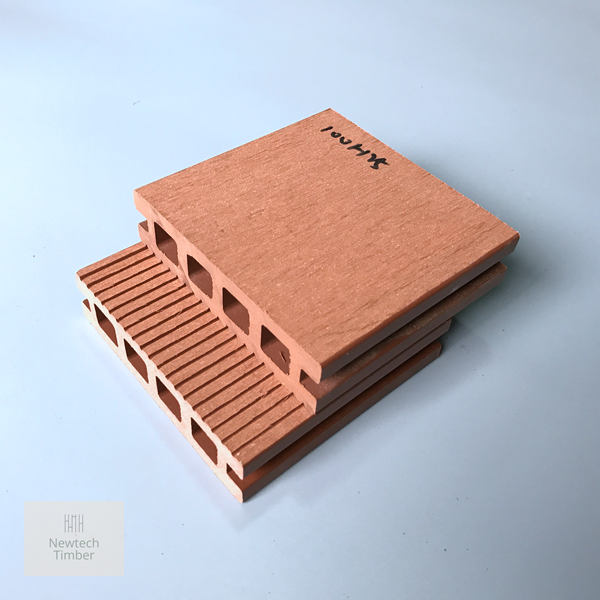
To enhance the durability and appearance of the composite decking, a variety of surface treatment techniques are employed. These treatments can include texturing to create a non-slip surface or applying protective coatings that enhance UV resistance and colour retention. An experienced outdoor WPC product designer will select the right treatments based on the intended use and environmental conditions the decking will face.
Moreover, quality control measures throughout the surface treatment process are essential. Each batch of decking boards is inspected for defects, ensuring that only the highest-quality products are shipped for installation. Common production problems, such as colour inconsistencies or surface blemishes, are identified and rectified at this stage, reducing waste and ensuring customer satisfaction.
As the installation of composite decking becomes more popular, the importance of quality control in the production process cannot be overstated. Each stage, from material mixing to final surface treatment, plays a vital role in ensuring that the decking meets the high standards expected by customers. By adhering to best practices in extrusion technology and maintaining rigorous quality inspections, manufacturers can provide durable, attractive, and long-lasting composite decking that enhances outdoor spaces.

