WPC Flooring Stability in Outdoor Applications
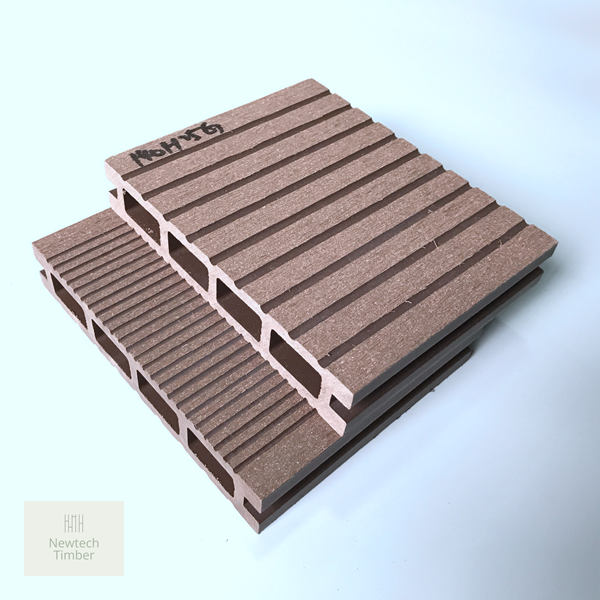
The long-term stability of wood plastic composite (WPC) flooring makes it a top choice for outdoor applications such as decking, wall cladding, fencing, and pergolas. The formulation of WPC involves a delicate balance between wood fibre content and plastic ratio, which significantly influences the performance and durability of the final product. High-performance WPC formulations are crafted to withstand environmental stresses while maintaining aesthetic appeal and structural integrity.
When considering the wood fibre content in WPC, it is essential to optimise the ratio to enhance both stability and mechanical properties. An ideal balance not only contributes to the overall strength of the composite but also plays a pivotal role in its resistance to moisture and temperature fluctuations. The right mix of wood fibres and plastic ensures that the flooring can endure the rigours of outdoor use while minimizing the risk of warping or cracking over time.
Optimising Plastic Ratios for Performance
The choice of plastics in WPC formulations is equally critical. Various polymers can be employed, including polyethylene and polypropylene, each bringing distinct properties to the composite. By adjusting the plastic content, engineers can enhance features such as UV resistance, impact strength, and thermal stability. A higher plastic ratio may improve moisture resistance, ensuring that the flooring remains stable in wet conditions, which is particularly important for areas with heavy rainfall or high humidity.
Additionally, additives play a significant role in enhancing the performance characteristics of WPC flooring. Incorporating UV stabilisers helps prevent colour fading and degradation caused by prolonged sun exposure, while anti-fungal agents protect against mould and mildew. These additives are carefully selected to ensure they do not adversely affect the composite’s mechanical properties and, importantly, the overall cost-effectiveness of the product.
Cost Control Without Sacrificing Quality
By utilising recycled materials in the formulation, manufacturers can lower raw material costs while appealing to the growing market for sustainable building solutions. This approach aligns with the increasing consumer demand for eco-friendly products, positioning WPC flooring as a viable long-term solution for outdoor applications without sacrificing quality or performance.
Product Lifespan and Environmental Considerations
The longevity of WPC flooring is a paramount concern for both manufacturers and consumers. With the right formulation, WPC products can outlast traditional wood options, significantly reducing the need for replacements and maintenance. A well-balanced WPC formulation not only ensures structural integrity but also enhances resistance to environmental factors such as insects and rot. This durability translates to lower lifetime costs for consumers, making it an attractive option in both residential and commercial sectors.
Moreover, sustainable practices in the development of WPC products enhance their appeal further. As the industry moves towards greener solutions, the integration of biodegradable additives and environmentally friendly production processes can improve the overall sustainability profile of WPC flooring. This commitment to environmental stewardship not only aids in compliance with regulations but also resonates with increasingly eco-conscious consumers.
Future Trends in WPC Formulation Development
The future of WPC flooring is poised for continued innovation, with advancements in material science and engineering paving the way for even more resilient products. Research into new additives and alternative fibres can lead to formulations that offer enhanced performance metrics, potentially expanding the applications of WPC beyond traditional uses. Continuous analysis of market trends and consumer preferences will guide these developments, ensuring that WPC products remain competitive and relevant in the evolving flooring landscape.
As a WPC formulation development engineer, the focus on high-performance outdoor wood plastic composites entails a commitment to quality, sustainability, and innovation. By prioritising the right balance of materials and embracing new technologies, the industry can deliver stable, long-lasting WPC flooring solutions that meet the demands of modern outdoor environments.

