Factors Influencing Composite Deck Price Per Sq Ft
Calculating the price of composite decking requires a comprehensive understanding of multiple factors that contribute to the overall cost per square foot. Firstly, the choice of materials significantly affects price. Composite decking is typically manufactured from a blend of wood fibres and plastic, leading to variations in quality, durability, and, consequently, price. Higher-quality boards, which offer better resistance to fading, scratching, and warping, will generally command a higher price per square foot. Additionally, the brand reputation and manufacturing processes involved can also play a vital role in determining costs.
Another critical aspect to consider is the size and design of the decking area. Larger projects may benefit from bulk purchasing, which can reduce the composite deck price per sq ft. However, intricate designs featuring multiple levels or customised shapes could lead to increased installation costs. Understanding these variables will provide a clearer picture of the final pricing for outdoor projects.
Where Composite Decking Fits in Outdoor Applications
Composite decking has found its niche in a variety of outdoor settings, proving to be an incredibly versatile material. Residential gardens often feature composite decks as they provide a durable surface that complements landscaping beautifully. Whether it is a simple patio or an expansive outdoor living area, these decks can significantly enhance the aesthetic appeal and functionality of a garden space.
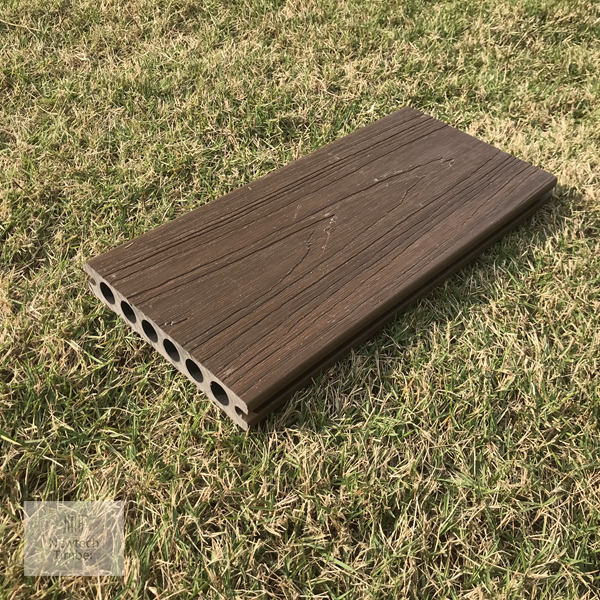
Commercial landscapes are another area where composite decking excels. Hotels and resorts utilise this material for poolside decking, outdoor dining spaces, and terraces, creating luxurious environments that withstand heavy foot traffic while retaining their charm. In public facilities, such as parks and recreational areas, composite decks provide a safe, low-maintenance solution suitable for playgrounds and picnic areas, making them ideal for high-usage locations.
Installation Considerations for Composite Decking
When planning the installation of composite decking, it is essential to factor in the complexity of the project. The groundwork, including the framing and support structures, significantly impacts the overall cost. A well-designed substructure not only ensures the durability of the decking but also adds to the overall installation expense. Proper drainage solutions must also be integrated to prevent moisture accumulation, which can compromise the integrity of the deck over time.
Engaging a professional installer familiar with composite materials can streamline the process, although this adds to the upfront costs. Their expertise ensures that the installation adheres to manufacturer guidelines, which is vital for maintaining warranties and optimising the lifespan of the product.
Maintenance and Long-Term Costs of Composite Decking
While the initial composite deck price per sq ft may seem higher than traditional wood options, it is crucial to consider long-term maintenance costs. Composite decking is designed to resist fading, staining, and rotting, meaning homeowners and property managers can enjoy significant savings on maintenance over time. Unlike wood, which requires regular sealing, painting, or staining, composite materials typically only need occasional cleaning to maintain their appearance, making them a cost-effective choice in the long run.
Moreover, understanding the longevity of composite decks can provide further insights into their value. With warranties often ranging from 25 years to a lifetime, the durability of composite decking can justify the initial investment, making it a wise choice for outdoor projects.
Professional Application Suggestions
As a WPC application engineer, I recommend considering the intended use of the space when selecting composite decking. For residential applications, opting for a textured finish can enhance slip resistance, especially in areas near swimming pools. In commercial settings, particularly in busy hotels or restaurants, a combination of aesthetics and durability is key, so selecting products with UV stability and a wide range of colour options can add significant value.
In public facilities, the use of composite decking should consider safety features such as slip resistance and ease of upkeep. Choosing darker colours can also help to mask dirt and stains in high-traffic areas. By understanding these applications and incorporating the right materials and design elements, you can ensure a successful and cost-effective decking project that meets both aesthetic and functional needs.

