Preparing the Existing Deck Structure
Before beginning the installation of composite decking on existing deck structures, it is essential to ensure that the substructure is sound and secure. Start by inspecting the current deck frame for any signs of damage, rot, or structural weakness. Replace any compromised joists or beams with new treated lumber to provide a sturdy foundation for the composite boards. Once the necessary repairs are completed, clean the surface thoroughly to remove dirt, debris, and any old finishes that might hinder adhesion.
Next, check the spacing of the existing joists. Composite decking materials typically require joist spacing of no more than 400 millimetres on centre. If your existing structure does not meet this requirement, consider adding additional joists to ensure optimal support and longevity of the decking system. This preliminary work is crucial for a successful installation that will withstand the test of time.
Selecting the Right Composite Decking
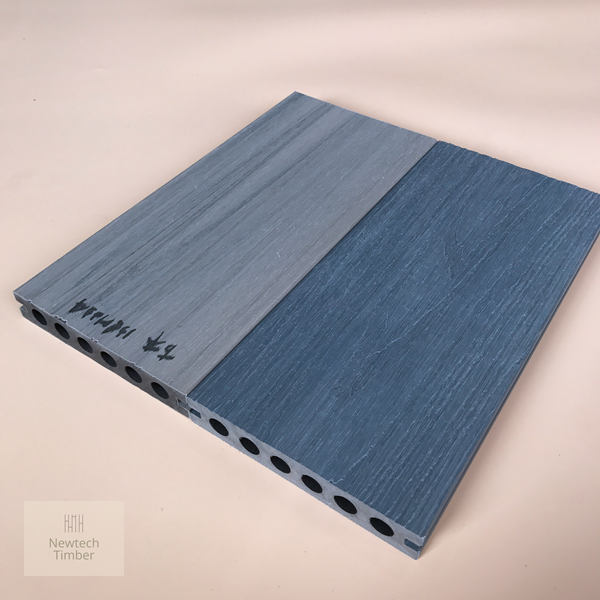
Choosing the appropriate composite decking is vital for achieving the desired aesthetic and functional results. Consider factors such as colour, texture, and finish to ensure that the new decking complements the existing structure and surrounding environment. Look for products specifically designed for easy installation over existing decks, as they often come with pre-drilled holes and hidden fastening systems that can streamline the process.
It’s also wise to consider the weather conditions in your area. Opt for composite materials that are resistant to fading, staining, and warping, particularly in regions with extreme temperatures or humidity. This selection will not only enhance the longevity of your deck but also minimise maintenance in the years to come.
Installation Techniques and Fixing Methods
Once you have prepared the existing deck structure and chosen the right composite decking, it’s time to move on to the installation process. Start by laying the first board parallel to the house, securing it to the joists using the recommended fasteners. Most composite decking systems allow for hidden fastening methods, which provide a clean finish without visible screws on the surface. If using traditional screws, ensure they are specifically designed for composite materials to avoid stripping and damage.
Continue laying boards, ensuring a consistent gap of approximately 5 millimetres between each board to allow for expansion and contraction due to temperature changes. This gap is crucial in preventing warping and buckling, ultimately prolonging the life of your deck. As you work, check for level and alignment frequently, adjusting as necessary to maintain a professional appearance.
Cutting and Fitting Composite Boards
When it comes to cutting composite boards to fit around corners or obstacles, precision is key. Use a high-quality circular saw with a fine-tooth blade designed for composite materials. Make your measurements carefully and mark the cutting lines clearly to ensure accuracy. After cutting, sand the edges lightly to remove any rough spots that could cause splintering or affect the overall finish.
For areas that require fitting around railings or transitions, consider using a jigsaw for intricate cuts. This tool allows for greater manoeuvrability and can help you achieve a clean, professional look. Always wear safety goggles and a dust mask when cutting to protect yourself from debris.
Maintenance Tips for Long-Lasting Performance
Consider applying a protective sealant specifically designed for composite materials every few years. This application can enhance the durability of the decking and help maintain its appearance over time. Monitor the deck for any signs of wear or damage and address issues promptly to extend the life of your composite decking.

