Choosing the Right Material for Red Composite Deck Boards
The selection of red composite deck boards involves a careful consideration of various components that contribute to both aesthetics and functionality. The formulation of wood plastic composites (WPC) hinges on achieving an optimal balance between wood fibre content and plastic ratio. The wood fibres provide the natural appearance and feel, while the plastic component enhances durability and resistance to environmental factors. A higher wood fibre content often results in a more authentic look, ideal for those desiring a traditional aesthetic. However, if the ratio of plastic is too low, the boards may suffer from decreased lifespan and increased susceptibility to moisture absorption.
When designing red composite deck boards, it is essential to consider the types of plastic used as well. High-density polyethylene (HDPE) and polyvinyl chloride (PVC) are commonly employed due to their excellent weather resistance and longevity. The choice of plastic can significantly affect the hue and overall appearance of the final product. In creating a vibrant red colour, pigments must be carefully selected and blended to ensure colour consistency and stability against fading from UV exposure.
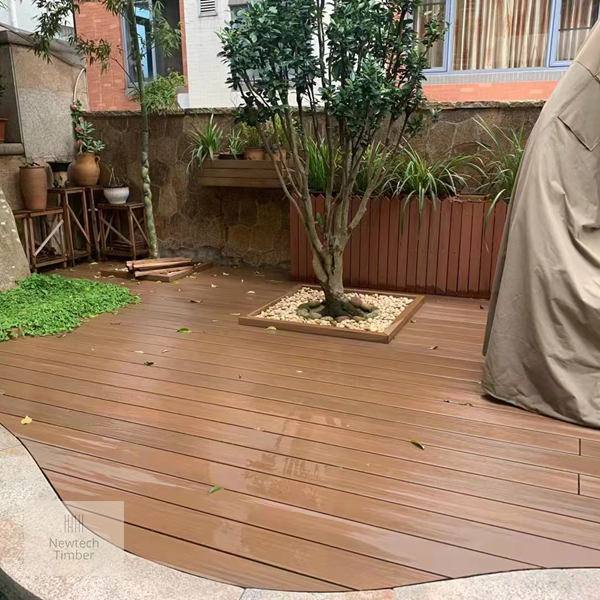
Integrating Additives for Enhanced Performance
Additives play a vital role in enhancing the performance characteristics of red composite deck boards. These additives include UV stabilisers, anti-fungal agents, and fire retardants, each contributing distinct benefits. UV stabilisers are crucial for maintaining the board’s vibrant colour over time, preventing unsightly fading and ensuring that the rich red hue remains vivid. Anti-fungal agents are equally important, as they help to mitigate the risk of mould and mildew growth, particularly in humid or damp climates.
Furthermore, fire retardants can enhance the safety profile of composite decking, making it an appealing choice for residential and commercial applications alike. When integrating these additives, it is crucial to maintain cost control without compromising quality. Each additive adds to the overall cost, so balancing performance enhancements with budget constraints is a critical aspect of the formulation process.
Cost Control in Composite Decking Production
Volume production techniques can also assist in reducing costs. By optimising the extrusion process, manufacturers can achieve higher output rates, thereby lowering per-unit costs. Investments in technology that enhance production efficiency can lead to significant long-term savings, ultimately benefiting both the manufacturer and the end consumer.
Evaluating the Product Lifespan
The longevity of red composite deck boards is a critical factor in the overall value proposition. An extended lifespan indicates a better return on investment for customers, which is a significant selling point in the market. To achieve durability, the formulation should focus on creating a strong bond between the wood fibres and plastic matrix. The compatibility of the chosen plastic with the wood fibres impacts the mechanical properties of the composite, influencing its resistance to bending, warping, and cracking.
Regular testing is necessary to ensure that the product meets industry standards for performance and safety. This includes accelerated weathering tests to simulate the effects of prolonged exposure to sunlight and moisture. By demonstrating that the red composite deck boards maintain their integrity over time, manufacturers can position their products as reliable options for outdoor applications, which further enhances market competitiveness.
Design Considerations for Unique Outdoor Styles
When creating red composite deck boards, design considerations extend beyond mere colour. The texture and finish of the boards significantly influence their appeal. A wood-grain finish can enhance the natural wood-like appearance, while a smoother surface may be preferred for modern designs. Customisation options allow for greater flexibility, enabling customers to select a finish that aligns with their unique outdoor styles.
Additionally, the versatility of red composite decking goes beyond traditional uses; it can be employed in various applications, including wall cladding and fencing. Tailoring the formulation for these different uses involves adjustments in density and surface treatment to ensure durability and aesthetics are maintained across all applications. By focusing on these design elements, manufacturers can cater to a broader market, appealing to homeowners, landscape architects, and commercial developers alike.

