Preparing the Subframe for WPC Decking
The foundation of any WPC decking installation lies in the preparation of the subframe. Begin by ensuring the ground is level and stable. Any inconsistencies in the ground can lead to problems with the decking over time. Use a composite deck material calculator to determine the exact amount of materials needed for the subframe based on the dimensions of your deck. Common practices involve using treated timber or aluminium as the subframe material, which provides durability and resistance to rot.
When constructing the subframe, adhere to the spacing recommendations provided by the decking manufacturer. Typically, joists should be spaced no more than 40 cm apart. This spacing ensures optimal support for the decking boards while accommodating the material’s natural expansion and contraction. It is also prudent to check for any local building codes that may influence the specific requirements for subframe construction.
Fixing Methods for WPC Decking
Once the subframe is in place, the next step involves fixing the WPC boards. The most common methods include using hidden fasteners or screws specifically designed for composite materials. Hidden fasteners provide a clean finish while allowing for movement, as they are designed to permit expansion gaps between boards. When using screws, pre-drilling is recommended to avoid splitting the boards.
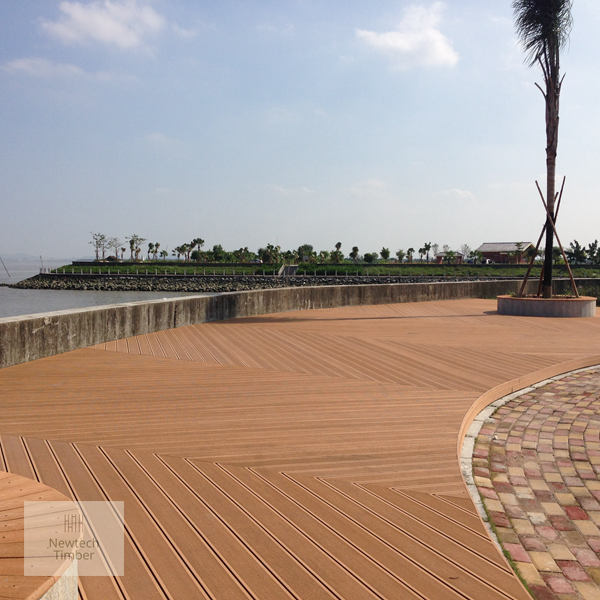
Each board should be securely fastened to the joists, ensuring that they are laid in the desired direction for aesthetics and water drainage. Adhering to the manufacturer’s guidelines is essential, as improper installation can void warranties. Additionally, use a composite deck material calculator not only for board quantities but also to ascertain the fasteners needed based on the total surface area.
Managing Expansion Gaps
WPC materials expand and contract with changes in temperature and humidity. Therefore, it is crucial to incorporate appropriate expansion gaps during installation. A general rule is to maintain a minimum gap of 5 mm between boards and a similar gap at the edges next to walls or other fixed structures. These spaces allow for movement and help prevent buckling or warping of the decking.
To ensure accuracy, use spacers or wedges while laying the boards. It is advisable to check the local climate conditions, as regions with extreme temperature fluctuations may require larger gaps. Using a composite deck material calculator can assist in visualising how these gaps will affect the overall layout and material requirements for your decking project.
Cutting WPC Boards with Precision
During the installation process, you will likely need to cut WPC boards to fit around corners or at the edges of your deck. Using a circular saw equipped with a fine-toothed blade is recommended for clean, precise cuts. It is imperative to measure twice and cut once to minimise waste. When cutting, always wear safety goggles to protect your eyes from debris.
After making your cuts, ensure that the edges are smooth and free from splinters. You may want to sand the edges lightly to provide a finished look and prevent any sharp edges that could cause injury. Regularly check the dimensions against your composite deck material calculator estimates to ensure consistency throughout the project.
Maintenance Tips for Longevity
Inspect the decking periodically for any signs of wear or damage, particularly around the fasteners and expansion gaps. Addressing minor issues before they escalate can save time and costs in the long run. Consulting your composite deck material calculator can help you keep track of the lifespan of your materials and inform when replacements or repairs may be necessary.

