Wood Plastic Composite, commonly referred to as WPC, has gained significant popularity in recent years for its use in outdoor applications such as decking, fencing, and furniture. One of the primary factors contributing to its widespread adoption is its waterproof properties, which make it a reliable option for various weather conditions. Understanding the global production capacity and price advantages of WPC can further illustrate its appeal in the outdoor market.
The production of WPC involves combining wood fibers with thermoplastics, resulting in a material that mimics the appearance of natural wood while offering enhanced durability and resistance to environmental factors. This unique composition allows WPC to resist moisture, preventing issues such as rot, warping, and swelling that often plague traditional wood products. Consequently, manufacturers have increasingly invested in WPC production capabilities, leading to a rise in global supply.
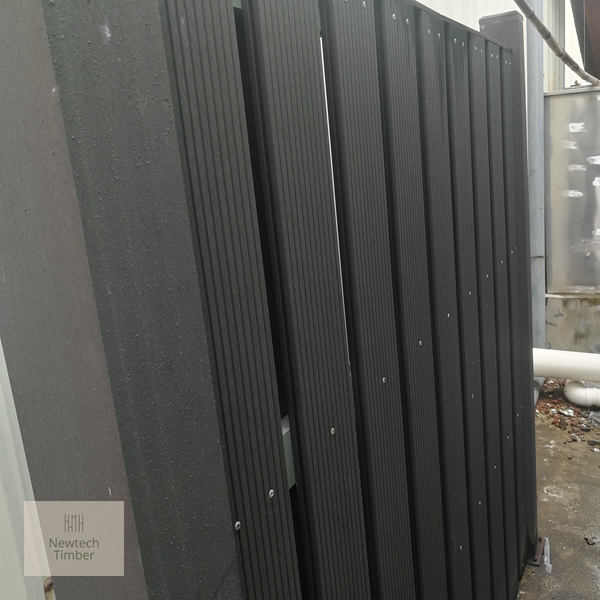
In recent years, the demand for WPC has surged due to the increasing preference for low-maintenance outdoor materials. The global production landscape for WPC is characterized by a diverse range of manufacturers located in various regions. Countries such as the United States, Germany, and China have become key players in WPC manufacturing, each contributing to a robust supply chain that enhances availability. The presence of advanced technology and a skilled workforce in these regions has allowed for the development of high-quality WPC products that meet the rigorous demands of outdoor applications.
Price advantages also play a crucial role in the adoption of WPC for outdoor projects. While the initial investment in WPC may be higher than that of traditional wood, the long-term savings on maintenance and replacement costs make it a more economical choice. The waterproof characteristics of WPC mean that homeowners and businesses do not have to worry about frequent repairs or replacements due to weather-related damage. This long-lasting performance can result in significant cost savings over time.
Moreover, the global market for WPC is becoming increasingly competitive, which has led to price stabilization and even reductions in some areas. As more manufacturers enter the market and production techniques improve, the cost of raw materials and production processes has decreased. This trend is particularly evident in regions where there is a surplus of recycled plastics and wood materials, further driving down costs and making WPC more accessible to consumers.
The environmental benefits of WPC also contribute to its growing popularity. Many manufacturers are incorporating recycled materials into their products, which not only enhances sustainability but also appeals to environmentally conscious consumers. The ability to create a product that is both durable and eco-friendly positions WPC favorably in the market.
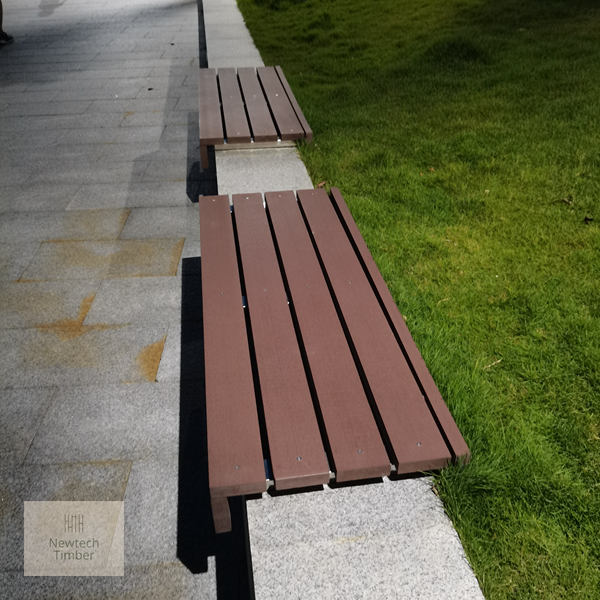
In terms of performance, WPC has proven its reliability in various weather conditions. Many manufacturers conduct rigorous testing to ensure that their products can withstand extreme temperatures, humidity, and exposure to UV rays. As a result, WPC has become a favored choice for outdoor installations in regions with diverse climates. Whether it is heavy rainfall, intense sun exposure, or freezing temperatures, WPC maintains its structural integrity and aesthetic appeal, making it an ideal option for outdoor living spaces.
Furthermore, advancements in technology are continually improving the performance of WPC. Innovations in additives and manufacturing processes have enhanced the material’s resistance to fading, staining, and scratching. These improvements not only extend the lifespan of WPC products but also enhance their visual appeal, allowing them to retain their beauty over time.
In light of these factors, it is evident that WPC is a reliable material for outdoor applications. Its waterproof properties, combined with global production capacity and price advantages, solidify its position as a preferred choice for consumers seeking durable and low-maintenance solutions. As the market continues to evolve, WPC stands poised to meet the increasing demands for high-performance materials that can withstand the challenges posed by varying weather conditions. The combination of enhanced durability, cost-effectiveness, and environmental sustainability makes WPC an attractive option for outdoor projects, ensuring its continued growth and relevance in the industry.

