Laying composite decking can be an exciting and rewarding DIY project, transforming your outdoor space into a functional and aesthetically pleasing area. Understanding the materials and production processes involved in composite decking can greatly enhance your experience and ensure a successful installation. This guide will provide you with essential tips to help you navigate through the process.
Composite decking is made from a blend of wood fibers and plastic, which is engineered to provide the appearance of natural wood while offering enhanced durability and resistance to environmental elements. The manufacturing process involves several key steps, including the mixing of raw materials, extrusion, and surface treatment. Familiarizing yourself with these aspects can help you appreciate the quality of the product you are using and the best practices for installation.
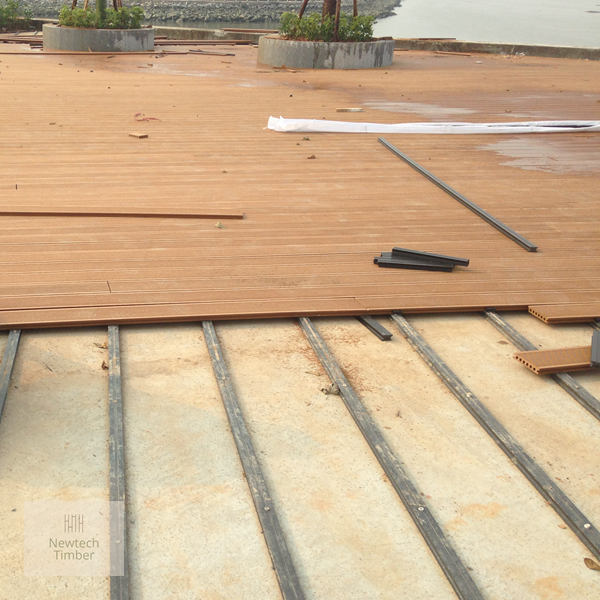
Before you begin laying your composite decking, it is crucial to plan your project meticulously. Start by measuring the area where you intend to install the decking. This will help you estimate the amount of material needed, taking into account the dimensions of the boards and the layout you desire. It is advisable to purchase a little extra material to account for potential mistakes or miscalculations during the installation process.
Choosing the right composite decking is also vital. There are various brands and styles available on the market, each with its unique characteristics. Look for products that have been tested for durability, fade resistance, and warranty coverage. Understanding the differences in materials can help you select the best option for your specific needs. For example, some composite decking boards come with a capped surface that enhances their resistance to stains and scratches, making them an ideal choice for high-traffic areas.
Once you have acquired your materials, it is time to prepare the installation site. Ensure that the substructure is solid and level, as this will provide a stable foundation for your decking. If you are installing over concrete, make sure to use appropriate spacers to allow for drainage and airflow beneath the decking. Additionally, consider using a moisture barrier to protect the boards from potential water damage.
When laying the boards, start from one end of the area and work your way across. Use a chalk line to mark your starting point to keep the installation straight. It is important to maintain consistent spacing between the boards to allow for expansion and contraction due to temperature changes. Most manufacturers recommend a gap of around one-eighth of an inch between boards. Utilizing spacers can help achieve this consistency.

Using the right fasteners is crucial for the longevity of your composite decking. While traditional nails and screws can be used, hidden fasteners or clips provide a cleaner look and help reduce the risk of splintering. Make sure to follow the manufacturer’s guidelines regarding the type of fasteners recommended for your specific decking material. Pre-drilling holes may be necessary to prevent the boards from splitting during installation.
As you lay each board, ensure that they are securely attached to the substructure. Check for levelness and alignment regularly to avoid any potential issues later on. If you encounter obstacles such as stairs or uneven surfaces, be prepared to make custom cuts to the boards. A circular saw with a fine-toothed blade is typically the best tool for making these cuts, as it minimizes chipping and ensures a clean edge.
Once all the boards are in place, it is important to clean the surface thoroughly. Composite decking is relatively low-maintenance, but keeping it clean will prolong its lifespan and appearance. Use a mild detergent and a soft brush to remove any dirt or debris that may have accumulated during the installation process. Regular cleaning will help maintain the deck’s aesthetic appeal and prevent staining.
Finally, after installation, consider applying a protective finish if recommended by the manufacturer. This can help enhance the color and provide additional resistance to fading and stains.
Laying composite decking can be a fulfilling DIY project when approached with careful planning and attention to detail. Understanding the production process behind composite materials can empower you to make informed choices and execute the installation with confidence. By following these tips, you will create a beautiful outdoor space that you can enjoy for years to come.

