Site Preparation Before WPC Decking Installation
As a professional outdoor WPC installation technician, I begin every composite decking project by checking the ground conditions, drainage routes, and final deck height. Sustainable material innovations have improved WPC boards with better moisture resistance and dimensional stability, but correct installation remains essential for long service life. Before any boards are placed, I mark the installation area carefully, remove unstable soil, and create a level foundation that supports the subframe correctly.
The subframe is the structural base of the entire system. I normally use aluminium or treated galvanised steel supports for commercial projects because they provide reliable strength and reduce maintenance requirements. Joists must be installed with consistent spacing according to the decking specification, while additional support is added around edges, corners, and areas carrying heavier loads. A well-prepared subframe also helps explain differences in composite timber decking price, as higher quality systems often include engineered support components designed for long term performance.
Subframe Alignment and Board Fixing Methods
Once the subframe is secured, I check every joist for alignment before fixing the WPC decking boards. Uneven supports can create movement, noise, or visible gaps after installation. I use stainless steel clips and screws designed specifically for composite materials because they allow controlled movement while maintaining a clean surface appearance. Hidden fixing systems are widely preferred for outdoor applications because they protect the board edges and create a professional finish.
During installation, I place starter clips at the first board position and continue across the deck with spacing clips between each board. The fixing points should never be overtightened, as WPC materials need room to expand and contract with temperature changes. For wall cladding systems, the same principle applies. I install vertical or horizontal support battens first, then attach cladding boards with suitable concealed or visible fixing methods depending on the design requirements.
Expansion Gaps and Accurate Cutting Procedures
Expansion control is one of the most important technical aspects of WPC installation. I always leave recommended gaps between boards, at the ends of boards, and near fixed structures such as walls or posts. These spaces allow the composite material to respond naturally to seasonal temperature changes. Ignoring expansion gaps may cause boards to lift, buckle, or place pressure on the fixing system.
Cutting WPC decking and wall panels requires accurate measurement and the correct tools. I use sharp carbide tipped saw blades to achieve clean edges without damaging the protective surface layer. Every cut section is checked before fitting, especially around steps, drainage channels, and unusual architectural features. For wall cladding projects, precise cutting improves alignment between panels and creates a consistent exterior appearance suitable for residential and commercial buildings.
Installation Considerations for Sustainable Outdoor Projects
Modern WPC products combine recycled polymers and wood fibres, reducing dependence on natural timber while providing a practical alternative for outdoor construction. During installation, I pay attention to ventilation beneath decking areas because airflow helps prevent moisture accumulation. Sustainable design is not only about selecting environmentally responsible materials; it also depends on professional fitting methods that extend product lifespan.
Many clients compare material options by reviewing composite timber decking price, but installation quality, accessories, and expected maintenance costs should also be considered. A lower initial cost may not provide the same durability if the system lacks suitable clips, support structures, or technical guidance. My role is to ensure every component works together as one reliable outdoor surface.
Maintenance Advice After WPC Installation
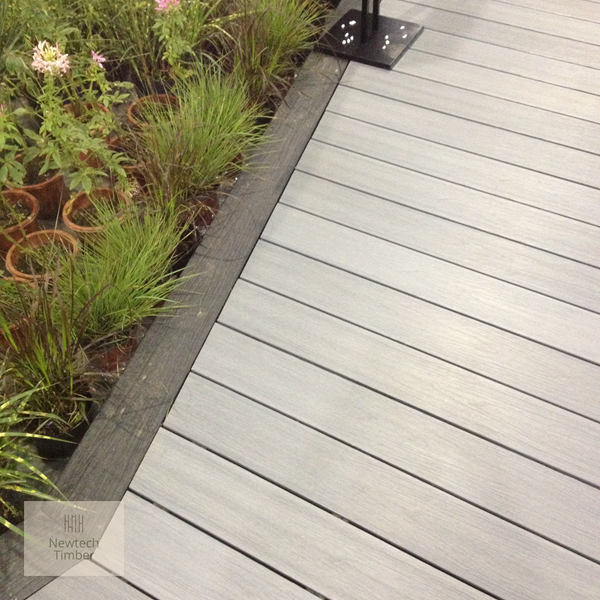
After completing a WPC decking or wall cladding installation, I provide maintenance guidance to protect the finished project. Regular cleaning with water and a soft brush removes dust, leaves, and general outdoor dirt. For stronger stains, a mild household cleaner can usually restore the surface without affecting the material finish. Harsh chemicals and abrasive tools should be avoided because they may damage the outer texture.
I also recommend periodic inspections of fixing points, drainage areas, and expansion spaces. Outdoor environments expose materials to changing weather, so checking the installation condition helps identify small issues before they become larger repairs. Proper maintenance allows quality WPC systems to retain their appearance and structural performance for many years.
Professional Installation Standards for Long Term Performance
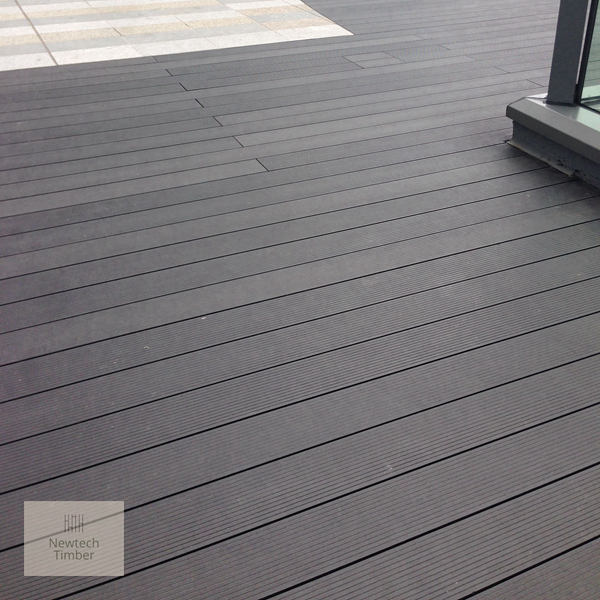
Every WPC decking and wall cladding project requires attention to detail from the first measurement to the final inspection. My approach focuses on accurate preparation, correct fixing techniques, controlled expansion gaps, and careful finishing work. These technical steps help manufacturers, contractors, and property owners achieve reliable results from sustainable outdoor materials.
For international projects, OEM developments, and large commercial installations, professional installation knowledge is especially valuable because climate conditions and building standards vary between regions. A correctly installed WPC system delivers the balance of appearance, durability, and environmental responsibility expected from modern outdoor construction materials.

