WPC Profile Design Trends Shaping Composite Deck Markets
As a WPC extrusion mold design engineer, I see composite deck development moving towards profiles that balance structural reliability, production efficiency, and easier installation. Global buyers increasingly request detailed technical resources, including the composite deck installation video, because installers and project managers want to understand how board geometry affects field performance before selecting a product system. The profile cross section is one of the first decisions made during mould design, as it controls material distribution, bending resistance, and manufacturing stability.
A well-designed WPC profile is not simply a shape that reduces material usage. The position of internal walls, support ribs, and connection areas must match expected loads from residential terraces, commercial walkways, and landscape projects. Engineers analyse span distances, screw locations, expansion requirements, and climate conditions before finalising extrusion mould structures. These details influence how easily technicians can install the decking and how consistently factories can produce large volumes.
Hollow and Solid Structures Affect Weight and Strength
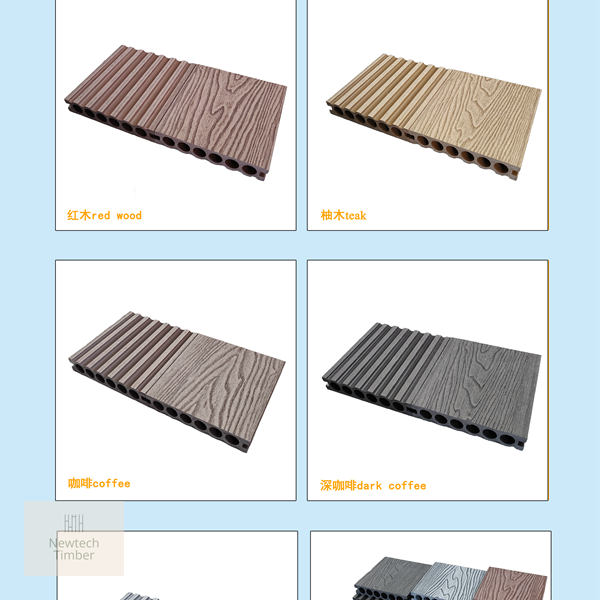
Hollow WPC decking profiles have become widely used because they reduce resin and wood fibre consumption while lowering transport costs. From a mould design perspective, the challenge is creating internal chambers that remove unnecessary weight without weakening the board. Multi-cell hollow structures often provide better stiffness than a simple open cavity because the internal walls help distribute pressure across the profile.
Solid WPC boards provide higher density and stronger resistance against impact, heavy furniture loads, and intensive commercial use. However, they require more raw materials, increase product weight, and may create higher extrusion pressure during manufacturing. The choice between hollow and solid structures depends on application requirements, target market expectations, and cost control goals. Many international projects combine different profile types to achieve the right balance between performance and budget.
Rib Design Improves Extrusion Performance and Installation Quality
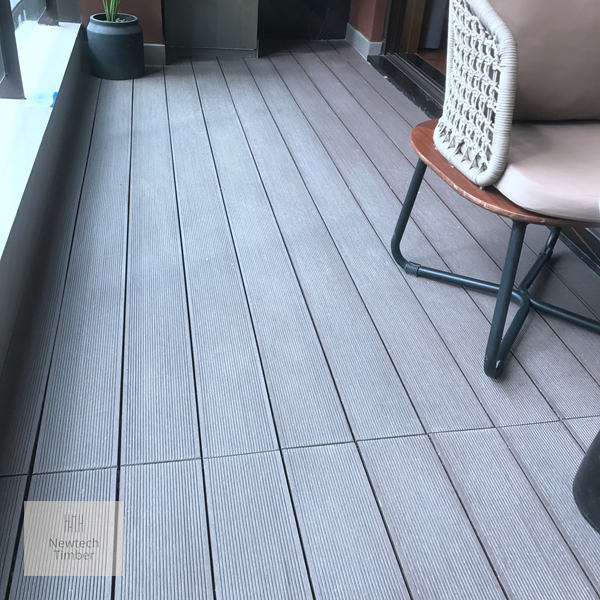
Rib design inside a WPC profile has a direct influence on strength, cooling speed, and dimensional accuracy. During extrusion mould development, I adjust rib thickness, spacing, and orientation to maintain stable material flow. Poorly designed ribs can create uneven shrinkage, surface distortion, or weak points after cooling. Precision in this stage helps manufacturers deliver boards with consistent dimensions for professional installation teams.
External rib patterns also affect installation performance. Grooved surfaces can improve grip and provide space for hidden fastening clips, while deeper patterns may increase cleaning requirements. Installation technicians often rely on product demonstrations and a composite deck installation video to understand clip positioning, joist spacing, and board alignment. A profile that supports simple installation methods reduces labour time and improves customer satisfaction in export markets.
Surface Patterns Connect Design Appeal With Product Function
Outdoor WPC product designers now request surface textures that imitate natural timber while maintaining practical advantages. In mould design, embossing rollers and surface structures must be carefully matched with extrusion speed and material behaviour. Wood grain patterns, brushed finishes, and low-slip textures can improve appearance, but they also require accurate tooling to avoid inconsistent details between production batches.
Surface design influences more than visual quality. A balanced texture can improve walking comfort, reduce visible scratches, and support outdoor safety standards. Architects and material consultants often compare surface options based on climate exposure, maintenance expectations, and project style. For international sales teams, clear technical explanations of these surface features help communicate product value to distributors and contractors.
Cost Control Through Advanced WPC Mould Engineering
WPC factories face constant pressure to improve efficiency while maintaining product quality. Mould engineering directly affects production costs because profile design determines raw material consumption, extrusion speed, cooling requirements, and waste levels. A refined mould can reduce unnecessary material use while keeping the mechanical properties required by global building markets.
OEM customisation also depends on flexible profile development. Export clients may request different widths, thicknesses, fastening systems, or surface finishes for regional applications. As an extrusion mould engineer, I work with production teams, quality supervisors, and designers to adjust profiles that meet these requirements without creating unstable manufacturing conditions. Accurate drawings, testing data, and installation guidance help connect factory production with real project needs.
Global WPC Installation Knowledge Supports Market Growth
The international WPC industry is becoming more focused on complete solutions rather than individual boards. Buyers want reliable profiles, clear installation methods, and technical support throughout a project. Digital training materials, especially a composite deck installation video, have become valuable tools for distributors, installers, and end users because they demonstrate practical procedures that technical documents cannot always show.
Future composite decking development will continue to combine advanced mould technology with application-focused design. Profile geometry, internal structures, rib systems, and surface patterns will remain key factors affecting strength, weight, pricing, and installation efficiency. Engineers who understand both extrusion technology and real outdoor applications can create WPC products that meet the changing expectations of global construction markets.

