Factors Influencing Composite Decking Prices Per m2
When calculating composite decking prices per m2 for various projects, several design elements must be taken into account. As a WPC extrusion mold design engineer, I have observed that the configuration of the decking profile significantly impacts both the material cost and installation efficiency. A fundamental aspect is whether the decking is designed with a hollow or solid structure. Hollow profiles typically weigh less than their solid counterparts, which can reduce shipping and handling costs. However, it is essential to ensure that the hollow design maintains structural integrity and load-bearing capacity, as weaknesses can lead to higher long-term costs due to repairs or replacements.
The choice between solid and hollow decking also affects the aesthetic appeal and finish quality. Solid boards can provide a more traditional look and may be perceived as higher quality by consumers, potentially allowing for a higher price point. Consequently, the market demand for specific styles and finishes can drive the composite decking prices per m2 upwards or downwards.
The Role of Rib Designs in Strength and Cost
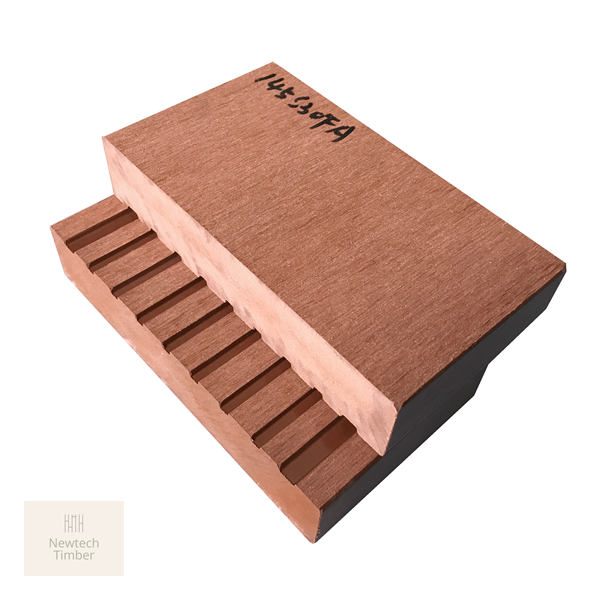
The incorporation of rib designs into the profile can enhance the strength of lightweight decking, allowing for thinner sections without sacrificing performance. This strategic engineering reduces material use and can positively influence production costs. However, the complexity of rib designs can lead to increased tooling and production times, which may offset some of the material savings. Therefore, while ribs can be beneficial for weight reduction and strength, careful consideration must be given to their design to ensure they do not inadvertently inflate overall costs.
Moreover, ribbed profiles can provide additional advantages during installation. Their design often allows for better interlocking capabilities, which can enhance the stability of the deck and reduce the number of fasteners needed. This not only streamlines the installation process but can also lead to further reductions in labour costs, ultimately providing a favourable impact on composite decking prices per m2.
Surface Patterns and Their Impact on Aesthetics and Performance
The surface patterns applied to decking boards serve a dual purpose: enhancing aesthetic appeal and improving traction. Textured surfaces can increase the perceived value of the product, allowing manufacturers to command premium prices. Furthermore, certain patterns can aid in water drainage and reduce slip hazards, which may be particularly relevant for outdoor settings. This functional aspect can also impact installation, as specific surface finishes may require different fastening techniques or tools.
It is worth noting that while textured patterns can elevate the cost due to the complexity of the production processes involved, they can also justify a higher market price. Consumers are often willing to invest more in products that not only meet safety standards but also enhance the visual impact of their outdoor spaces.
Environmental Considerations and Their Economic Impact
As sustainability becomes increasingly significant in material selection, the choice of raw materials for composite decking can also influence prices. WPC (Wood Plastic Composite) materials often utilise recycled content, which can affect production costs depending on the availability and quality of those materials. Additionally, eco-friendly certifications may necessitate compliance with strict manufacturing processes that can further add to costs.
However, the green credentials of a product can appeal to a growing demographic of environmentally conscious consumers, which may allow manufacturers to position their products at a premium price point. Thus, while the input costs may rise, the potential for a higher return on investment through careful branding and marketing strategies cannot be overlooked.
Optimising Mold Design for Cost Efficiency
As a WPC extrusion mold design engineer, I am acutely aware that optimising mold design plays a pivotal role in controlling composite decking prices per m2. Efficient moulding processes that minimise scrap and maximize output can significantly reduce the per-unit cost of decking boards. Innovations in mold technology, such as multi-cavity designs and streamlined cooling systems, can enhance production speeds while maintaining high quality.
Furthermore, investing in advanced manufacturing techniques, such as 3D printing for prototyping, can allow for rapid iterations in design before full-scale production. This adaptability not only lowers costs through decreased error rates but can also keep a product competitive in a dynamic marketplace.

