Strength of Wood vs. Plastic in Outdoor Building Materials
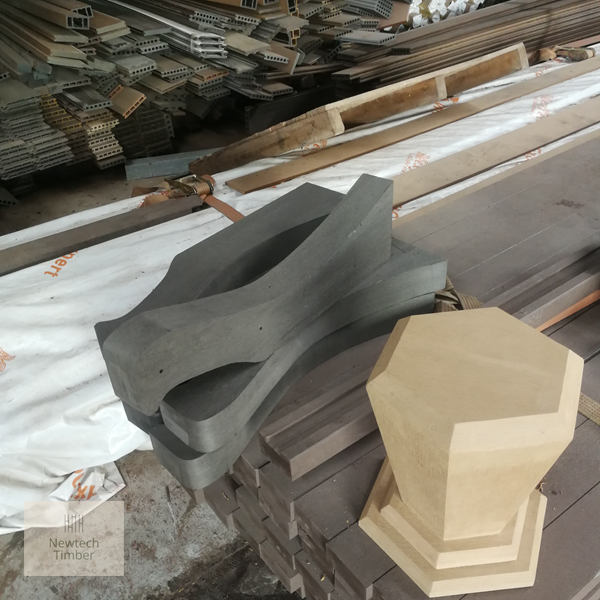
When considering outdoor building materials, the debate often arises between the strength of traditional wood and modern plastic composites. In my experience as an outdoor WPC product designer, I have found that wood offers a classic aesthetic, but it comes with limitations such as susceptibility to rot, warping, and insect damage. On the other hand, plastic composites, particularly Wood Plastic Composites (WPC), combine the best features of both wood and plastic. WPC materials can withstand harsh weather conditions, resist fading from sunlight exposure, and are less prone to splintering. This makes them a compelling choice for a variety of outdoor structures.
The question of ‘is wood or plastic stronger’ often leads to a nuanced answer. While solid wood can be incredibly strong, its longevity and performance can diminish over time due to environmental factors. In contrast, WPC materials are engineered specifically to endure outdoor conditions with minimal maintenance. Their unique composition allows them to retain structural integrity and appearance for years, making them a favorable option for outdoor applications.
Modern Design Trends in Composite Decking
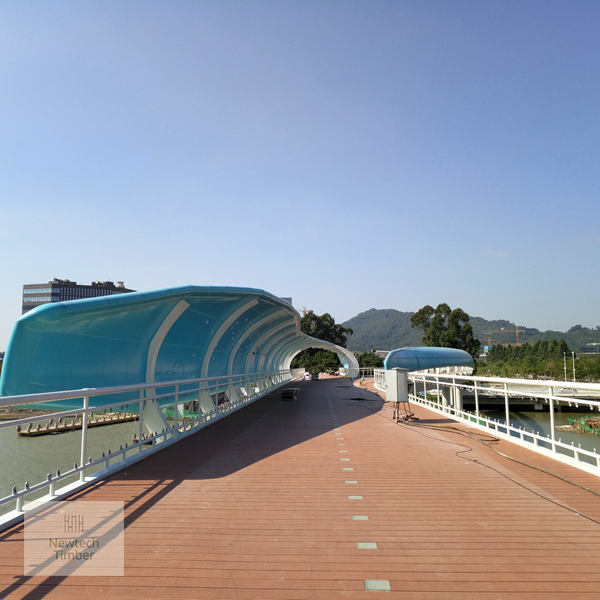
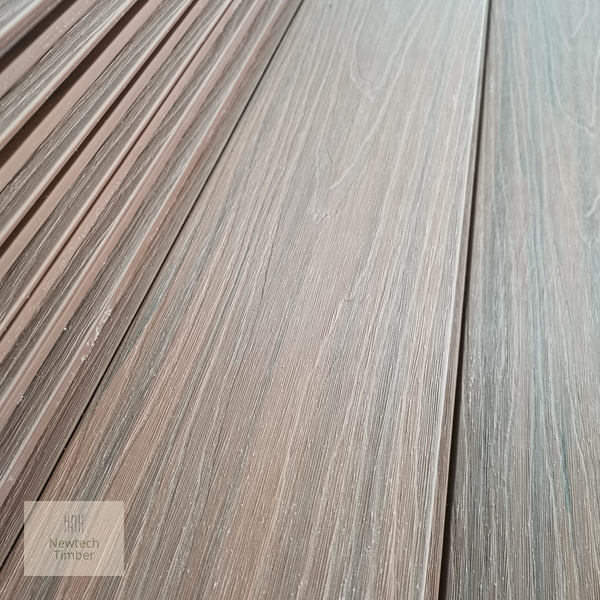
Composite decking has emerged as a frontrunner in modern outdoor design, and for good reason. The trend is shifting towards more natural-looking finishes that mimic the warmth of wood, while also providing the durability that composite materials boast. Textures are being designed to create a realistic wood grain appearance, allowing homeowners to enjoy the aesthetic appeal of wood without the drawbacks. Additionally, manufacturers are offering a wider palette of colours, from deep browns to light greys, letting designers create unique outdoor spaces that complement the architecture of the home.
Furthermore, the use of modular designs in composite decking allows for flexibility in how spaces are configured. With the rising popularity of outdoor entertaining, decks can now be designed with integrated seating, built-in lighting, and even planters, all seamlessly incorporated into the overall structure. This integration not only enhances functionality but also promotes a cohesive look that ties the outdoors to the indoors.
Innovative Solutions for Wall Panels and Fences
Wall panels and fences have also seen significant advancements in material technology and design. WPC wall panels can be designed to offer both privacy and aesthetic appeal, with styles ranging from sleek modern lines to rustic finishes. The strength of these materials makes them ideal for taller fence panels and barriers, providing security without compromising on style. Additionally, the versatility of modular designs means that homeowners can easily adjust panel heights and configurations to suit their specific needs.
In terms of colour and texture, WPC wall panels can be produced in a wide variety of finishes. This not only helps to create visually striking outdoor spaces but allows designers to match wall panels with other outdoor features, such as decking and furniture, ensuring a harmonious overall look. The ability to customise these products enhances their appeal and practicality, fulfilling the desires of modern homeowners.
Enhancing Outdoor Structures: Pergolas and Gazebos
Pergolas and gazebos can transform a garden into an inviting space for relaxation and entertainment. WPC materials are increasingly being used in the construction of these structures due to their strength and low maintenance requirements. Unlike traditional wood, which requires regular staining and sealing, WPC can retain its beauty without the extra effort, making it an ideal choice for busy homeowners.
When it comes to design, the trend leans towards open, airy structures that allow for creativity in the use of space. For instance, pergolas can be outfitted with integrated lighting and climbing plants, whilst gazebos may feature modular designs that can adapt to different garden shapes and sizes. Textural variations in the materials used can also play a significant role, with options that mimic natural wood grains or feature smooth, contemporary finishes.
The Role of Landscape Products in Modern Design
Landscape products such as planters, benches, and garden features are vital to creating well-rounded outdoor spaces. The use of WPC in these products offers both durability and aesthetic value. For example, WPC planters can withstand the elements, preventing warping or cracking, while also offering a chic look that enhances the garden’s style. The ability to customise colours and shapes allows designers to create unique pieces that define outdoor areas effectively.
Moreover, as sustainability becomes more important in design choices, WPC represents a responsible option. Made from recycled materials, these products contribute to environmental conservation while providing the strength and longevity that outdoor landscapes require. As clients increasingly prioritise sustainability, the demand for such materials is likely to grow, shaping the future of outdoor design.
Designing for Functionality and Aesthetics
In conclusion, the modern outdoor design landscape significantly benefits from the incorporation of composite materials such as WPC. The strength of the materials, coupled with their versatility in colour, texture, and design, allows for the creation of stunning outdoor spaces that are both functional and visually appealing. As the trend continues to shift towards sustainable, low-maintenance options, WPC will undoubtedly play a vital role in future outdoor projects, balancing the age-old aesthetic of wood with the strength and durability of plastic.