Material Composition of No Gap WPC Decking
No gap WPC decking is constructed primarily from a blend of wood powder and high-density polyethylene (HDPE) or polyvinyl chloride (PVC) polymers. The choice of raw materials is pivotal, as it directly influences the durability, weather resistance, and overall performance of the decking. Wood powder serves as a natural filler, providing aesthetic appeal reminiscent of traditional wood while also adding structural integrity to the composite. The polymers, on the other hand, contribute to the product’s flexibility and resistance to moisture, which is essential for outdoor applications.
In our factory in Guangdong, we meticulously select wood powder sourced from sustainable timber. This not only ensures an eco-friendly product but also affects the mechanical properties of the decking. Different types of wood powder can yield variations in strength and colour, thus impacting the final aesthetic. Quality assurance processes include detailed inspections to confirm the purity of the wood powder and consistency in particle size, which collectively enhance the resilience of the final product.
Additives, Pigments, and Modifiers
Additives play a significant role in enhancing the performance characteristics of no gap WPC decking. Commonly used additives include UV stabilisers, anti-fungal agents, and colour pigments. UV stabilisers are crucial as they prevent the material from degrading under prolonged sun exposure, thereby maintaining the visual appeal of the decking over time. Our quality control protocols involve rigorous testing of these additives to ensure they meet international standards, thus safeguarding against colour fading and warping.
Pigments are particularly important for creating a diverse palette of colours in no gap WPC decking. The selection of high-quality pigments not only impacts the initial appearance but also contributes to the longevity of the colour under various weather conditions. During production, our team conducts consistency checks to ensure that the pigmentation process results in uniform colour distribution, which is essential for aesthetic harmony in large installations.
Durability and Weather Resistance
Durability is a primary concern in outdoor applications, and no gap WPC decking excels in this aspect due to its composite nature. The combination of HDPE/PVC and wood powder results in a material that is resistant to rot, splintering, and insect damage, thereby ensuring a longer lifespan compared to traditional wood decking. To verify this, we conduct stress tests in our factory to simulate various environmental conditions, evaluating how the decking performs under pressure, moisture, and heat.
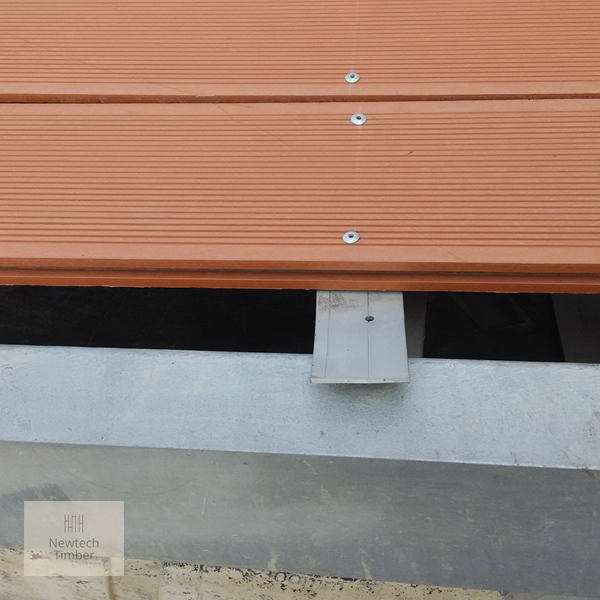
Weather resistance is further enhanced through the incorporation of specific modifiers that improve the thermal and moisture retention properties of WPC. These modifiers can include chemical compounds that bolster the interfacial adhesion between the wood and polymer components. Our rigorous testing protocols include exposure to extreme temperatures and humidity levels to ensure that the decking remains structurally sound and visually appealing in all weather conditions.
Factory Inspection Methods and Quality Standards
At our facility, we adhere to stringent quality control standards to guarantee that each batch of no gap WPC decking meets the highest benchmarks. The inspection process begins with the raw materials, where each shipment is tested for compliance with pre-defined specifications regarding purity and particle size. We employ advanced techniques such as infrared spectroscopy and scanning electron microscopy to analyse the material composition.
Once production begins, we implement in-line quality checks at various stages, including extrusion and moulding. These inspections focus on dimensional accuracy, surface quality, and the overall consistency of the decking boards. Additionally, we perform post-manufacturing tests that mimic real-world conditions, assessing factors like slip resistance and load-bearing capacity to ensure safety and performance.
Installation Benefits of No Gap WPC Decking
The design of no gap WPC decking allows for a clean, seamless installation that enhances aesthetic appeal. The absence of gaps not only provides a sleek finish but also eliminates the accumulation of debris and moisture that can lead to mould growth or insect infestation. This design is especially beneficial in high-traffic areas, where durability and maintenance are paramount.
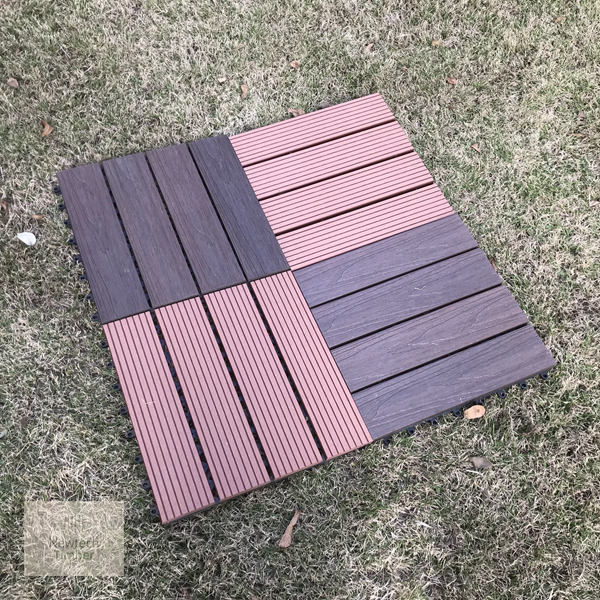
Our factory collaborates closely with installers to provide comprehensive training and guidance on the best practices for installation. Proper installation techniques can significantly affect the longevity and performance of the decking. We encourage the use of specialised fasteners and tools designed for WPC materials, ensuring that the finished product meets both visual and functional standards.

