WPC Decking versus Traditional Materials
WPC decking, a composite of wood fibres and plastic, has gained popularity as an alternative to traditional materials such as natural wood and aluminium. The appeal of WPC decking lies in its unique properties that combine the aesthetic benefits of wood with the durability of synthetic materials. When comparing WPC decking price in China, it is essential to consider not just the upfront costs but also the long-term implications of each material choice. Natural wood, while elegant and warm, has a tendency to rot, warp, and attract pests, leading to higher maintenance costs over time.
In contrast, WPC decking is resistant to these issues, requiring minimal upkeep. Its maintenance generally involves periodic cleaning rather than refinishing or sealing, which can be a significant advantage for homeowners and businesses alike. While the initial cost of WPC decking may appear higher than that of low-quality timber, its longevity and reduced maintenance demands often make it a more cost-effective solution in the long run.
Maintenance Requirements of WPC and Other Materials
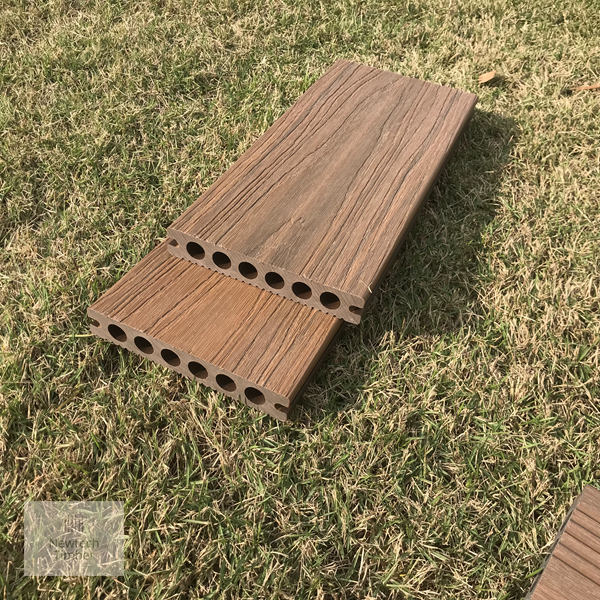
Maintenance is a critical factor when selecting outdoor materials. Traditional timber requires regular treatments to prevent deterioration, including staining, sealing, and replacing any damaged boards. This commitment can add considerable expense over the years, particularly in climates prone to moisture or extreme temperatures. WPC decking, however, offers a much lower maintenance profile. Its resistance to fading, staining, and scratching means that it can maintain its appearance for years without the need for intensive care.
Aluminium, while durable and low-maintenance, does not provide the same natural look as wood or WPC. It can be prone to dents and may require repainting over time. Furthermore, the thermal properties of aluminium can lead to uncomfortable surface temperatures in direct sunlight, making it less appealing for outdoor use in hotter climates. WPC’s ability to stay cooler underfoot enhances its attractiveness for outdoor applications.
Lifecycle Costs of Outdoor Materials
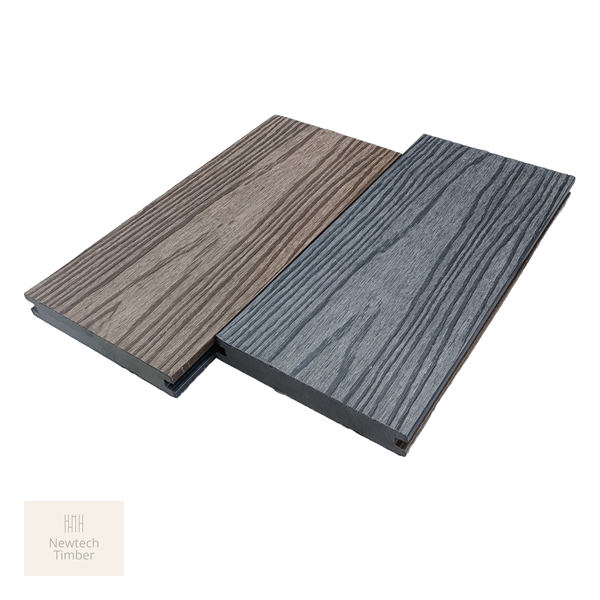
When evaluating the lifecycle costs of various materials, one must consider not only the purchase price but also the expected lifespan and maintenance expenses. WPC decking typically offers a longer lifespan than traditional wood due to its resistance to environmental wear. This longevity translates to lower replacement costs over time. The lifecycle cost analysis should also include factors such as energy efficiency and potential environmental impacts. WPC is often manufactured from recycled materials, making it a more sustainable option compared to virgin timber, which requires ongoing resource extraction.
In contrast, while aluminium is also a sustainable choice, its production is energy-intensive, which can offset some of its environmental benefits. The overall cost-effectiveness of WPC becomes evident when considering its durability and lower overall maintenance needs, especially in areas where seasonal changes can damage other types of materials.
Finding Reliable Suppliers in China
Obtaining a competitive wpc decking price in China requires diligent research and a good understanding of the market. It is essential to identify reliable suppliers, as product quality can vary significantly. One effective approach is to attend trade fairs and exhibitions, which provide opportunities to meet manufacturers and inspect their products firsthand. Online platforms such as Alibaba and Made-in-China serve as useful resources for finding suppliers, but thorough vetting is crucial.
Checking references, requesting samples, and researching the supplier’s reputation through reviews and ratings can help ensure that you select a quality provider. Additionally, understanding the nuances of shipping and import costs will allow for a better estimate of your total investment when importing WPC decking from China.
Comparative Advantages of WPC Decking
WPC decking presents several advantages over other outdoor materials. Its slip resistance adds to safety in wet conditions, making it an ideal choice for pool areas and outdoor entertainment spaces. Furthermore, the variety of colours and textures available allows for greater design flexibility, enabling architects and designers to meet specific aesthetic requirements. WPC’s non-toxic nature also makes it a safer option for families with children and pets, as it does not splinter like traditional wood, reducing the risk of injury.
Another significant benefit of WPC is its ability to retain its appearance without the need for harsh chemical treatments. This environmentally friendly approach to outdoor materials appeals to a growing demographic that prioritises sustainability in their purchasing decisions. As such, WPC decking not only addresses practical concerns related to durability and maintenance but also aligns with contemporary values surrounding environmental responsibility.

