The Process of Restoring Composite Deck Surfaces
Restoring composite deck surfaces is an essential task for maintaining both the aesthetic appeal and functionality of outdoor spaces. As an experienced WPC extrusion technology engineer, I can share insights into the complete outdoor WPC extrusion process, which underpins the production of high-quality composite decking. The restoration process often begins with the understanding of the materials involved, specifically the wood-plastic composite that forms the basis of these surfaces. This composite is created through an intricate method involving careful material mixing, where wood fibres and thermoplastics are combined to achieve the desired properties.
After material mixing, the next step is pelletizing, where the mixed materials are formed into uniform pellets. This stage is crucial because the quality and consistency of these pellets directly influence the final product. Once pelletized, the materials undergo extrusion, a process that requires precise temperature control. Maintaining the right extrusion temperature is vital in ensuring the materials flow smoothly through the extruder without degrading, which can negatively impact the structural integrity of the deck.
Mold Design and Its Implications
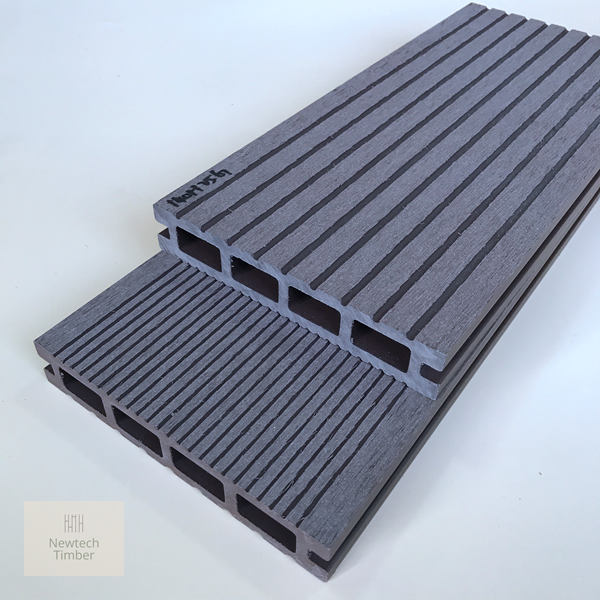
The mold design plays a significant role in the overall appearance and performance of the composite deck surfaces. Molds must be engineered with precision to capture the desired textures and patterns that enhance the visual appeal of the decking. The design phase is where aesthetics meets functionality, as molds must ensure that the final product can withstand outdoor elements while offering a pleasing look. Any imperfections in the mold can lead to defects in the decking, making it less appealing and potentially more prone to wear and tear.
After the extrusion process, the material must cool properly to maintain its shape. Cooling calibration is essential in this phase to ensure that the composite does not warp or develop internal stresses that could impact its longevity. Incorrect cooling can lead to significant issues, such as uneven surfaces or dimensional inconsistencies, which are critical factors when considering the restoration of composite deck surfaces. Therefore, attention to detail during this step is paramount.
Surface Treatment for Enhanced Aesthetics
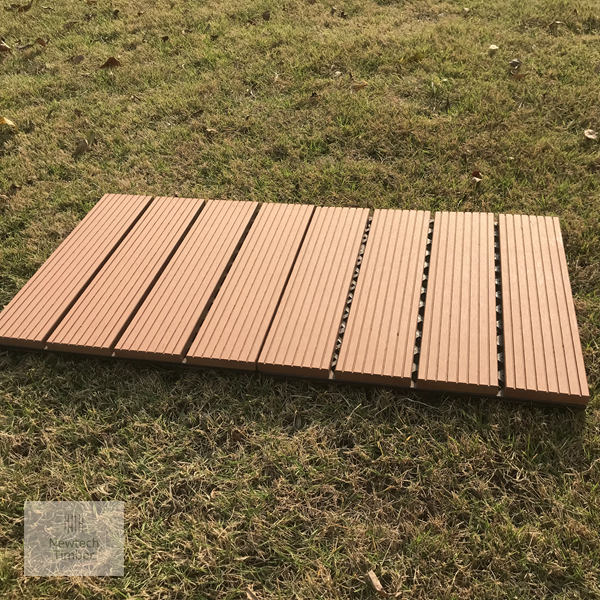
Once cooled, the composite decking is ready for surface treatment. This step often involves applying various coatings designed to enhance the colour and protect against environmental factors such as UV radiation and moisture. Surface treatments not only restore the appearance of the deck but also serve to prolong its lifespan. Various technologies exist for surface treatment, including chemical coatings and physical treatments, each chosen based on the specific needs of the deck’s location and expected wear.
It’s essential for manufacturers to select the appropriate surface treatment to ensure that the final product meets performance expectations. A well-treated surface can repel stains and resist fading, thereby reducing the need for frequent restoration efforts. This is especially important for areas exposed to high levels of foot traffic or harsh weather conditions.
Common Production Problems and Solutions
Another challenge is the occurrence of surface defects, such as discolouration or bubbles. These can often stem from improper temperature control during the extrusion or cooling phases. By implementing stringent quality control measures throughout the production process, manufacturers can significantly reduce the incidence of such defects. Addressing these problems at early stages not only improves product quality but also facilitates easier restoration of composite deck surfaces in the long run.
Restoration Techniques for Composite Decks
When it comes time to restore a composite deck, several techniques can be employed to address wear and revive its appearance. Simple cleaning methods using appropriate detergents can remove dirt and stains, while more extensive restoration might involve sanding the surface to eliminate scratches and imperfections. After cleaning, applying a fresh layer of protective coating can enhance the deck’s resilience against future damage. This proactive maintenance approach not only improves the look of the deck but also extends its service life, making it a worthwhile investment for homeowners.
In conclusion, understanding the intricacies of the WPC extrusion process illuminates the importance of quality control in producing composite decking. By honing in on each step, from material mixing to surface treatment, one can ensure that the end product not only meets aesthetic standards but also performs well under everyday conditions. As such, maintaining and restoring composite decks becomes a more manageable task, allowing for beautiful and durable outdoor spaces to thrive.

