Common Installation Problems With Plastic Wood Effect Cladding
As an outdoor WPC after-sales service engineer, I often help customers identify problems that appear after plastic wood effect cladding has been installed. Many issues are not caused by board quality but by incorrect installation methods, unsuitable fixing systems, or insufficient preparation before fitting. A professional installation should allow each board to expand, contract, and adjust naturally with seasonal temperature changes. Fixings must be positioned correctly, joists or supporting structures must be level, and recommended gaps between boards should always be maintained.
A frequent customer complaint is loose panels, uneven lines, or visible movement after installation. These problems usually happen because installers use unsuitable screws, reduce fixing points, or attach boards too tightly. Checking the spacing, clips, fasteners, and support structure can often solve the issue without replacing the entire cladding system. For large commercial projects, installation records and product guidelines should be kept so future maintenance teams can quickly identify the original fitting conditions.
Managing Colour Differences And Surface Appearance
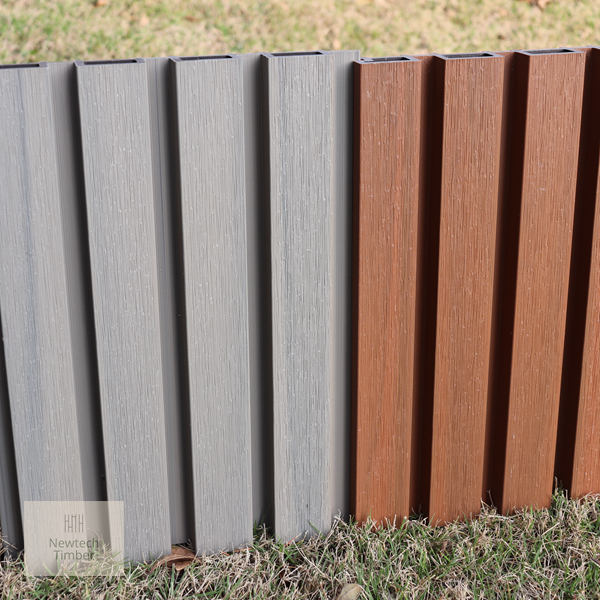
Colour variation is another concern reported by customers using outdoor WPC wall systems. Plastic wood effect cladding contains natural looking patterns and pigments that may show slight differences between production batches. Small colour changes can also appear after exposure to sunlight, rain, and outdoor conditions. This process is normal because the surface gradually stabilises after installation.
If boards from different batches are combined on one wall, noticeable differences may appear. For this reason, our service recommendations include checking batch numbers before installation and arranging boards from several packs together during fitting. This creates a more balanced appearance. If a customer notices uneven fading, the first step is to clean the surface and inspect whether dirt, water marks, or nearby environmental factors are affecting the colour rather than the material itself.
Fixing Expansion Movement And Weather Related Issues
WPC materials contain wood fibres and polymers, which means they respond to temperature changes. Expansion and contraction are expected parts of outdoor performance. Problems occur when installers leave insufficient expansion gaps or block the natural movement of boards at corners, edges, and connection points. Signs of restricted movement include raised boards, pressure marks, or unusual sounds during hot weather.
Repair work should focus on restoring the correct movement allowance. A technician may need to adjust end gaps, replace incorrect fasteners, or modify corner details. Customers should avoid adding permanent adhesives or extra fixings that prevent the cladding from moving. Correct spacing helps the system remain stable through summer heat, winter temperatures, and changing moisture levels.
Repairing Scratches And Maintaining Surface Quality
Although WPC cladding is designed for outdoor durability, the surface can still receive scratches from furniture movement, tools, transport activities, or accidental impact. Light marks can often be reduced through careful cleaning with mild soap and water. A soft brush is suitable for removing dust from textured finishes, while harsh chemicals and abrasive pads should be avoided because they may damage the surface texture.
For deeper scratches, customers should contact their supplier for repair advice before attempting treatments. Some finishes can be carefully restored depending on the product design, colour, and surface layer. Regular inspections are recommended for high traffic areas, commercial buildings, and properties located near coastal environments where salt and weather exposure can increase cleaning requirements.
Routine Care Advice For Long Term WPC Performance
Regular maintenance keeps plastic wood effect cladding attractive and helps protect the investment made by property owners, contractors, and developers. A simple cleaning schedule usually involves removing leaves, dirt, and organic deposits before they create permanent marks. Drainage areas should remain clear so water does not collect around the cladding structure for long periods.
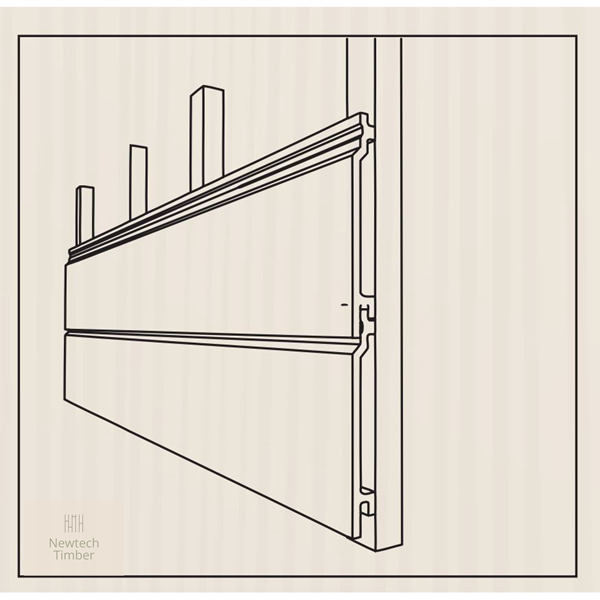
Customers should also inspect fixing points, corners, joints, and surrounding structures at least once or twice a year. Early detection of small issues makes repairs faster and more affordable. As an after-sales engineer, my recommendation is to treat WPC cladding as a quality outdoor building material that requires sensible care rather than intensive maintenance. With correct installation, suitable repairs, and regular cleaning, the system can continue providing a natural timber appearance while maintaining reliable outdoor performance for many years.

