Plastic wood grain cladding has emerged as a popular choice for enhancing the aesthetic appeal of outdoor spaces while providing a range of functional benefits. Designed to mimic the appearance of natural wood, this innovative material combines the beauty of timber with the durability and low maintenance of synthetic materials. As outdoor living spaces gain popularity, understanding the material properties of plastic wood grain cladding becomes essential for homeowners and designers alike.
One of the most significant advantages of plastic wood grain cladding is its resistance to the elements. Traditional wood is susceptible to warping, splitting, and rotting when exposed to moisture, sunlight, and temperature fluctuations. In contrast, plastic wood grain cladding is engineered to withstand these environmental challenges. The material is typically made from a combination of recycled plastics and wood fibers, which are processed to create a composite that retains the aesthetic qualities of wood while enhancing durability. This resistance to moisture makes plastic wood grain cladding an excellent option for regions with high humidity or frequent rainfall.
Another noteworthy property of plastic wood grain cladding is its UV resistance. Prolonged exposure to sunlight can cause traditional wood to fade and lose its vibrant color over time. Plastic wood grain cladding, however, is often treated with UV stabilizers that help maintain its color and appearance even after extended outdoor use. This feature ensures that outdoor spaces remain visually appealing without the need for frequent repainting or refinishing.
In terms of thermal stability, plastic wood grain cladding has a significant advantage over natural wood. Wood can expand and contract with changes in temperature, leading to gaps and structural issues. Plastic wood grain cladding, on the other hand, is designed to be dimensionally stable, minimizing the risk of warping or cracking. This stability is especially beneficial in regions that experience extreme temperature variations, allowing homeowners to enjoy their outdoor spaces without worrying about the integrity of the cladding material.
Maintenance is another critical aspect where plastic wood grain cladding excels. Unlike traditional wood, which requires regular sealing, staining, and painting to preserve its beauty and protect it from the elements, plastic wood grain cladding is virtually maintenance-free. A simple wash with soap and water is often sufficient to keep it looking new. This ease of maintenance not only saves time and effort but also reduces long-term costs associated with upkeep.
The environmental impact of materials used in construction is increasingly becoming a concern for consumers. Plastic wood grain cladding is often made from recycled materials, which can help reduce waste and promote sustainability. By choosing this type of cladding, homeowners can contribute to a more eco-friendly building practice without compromising on style or performance. The use of recycled materials also means that the production process generally consumes less energy compared to creating new materials from scratch.
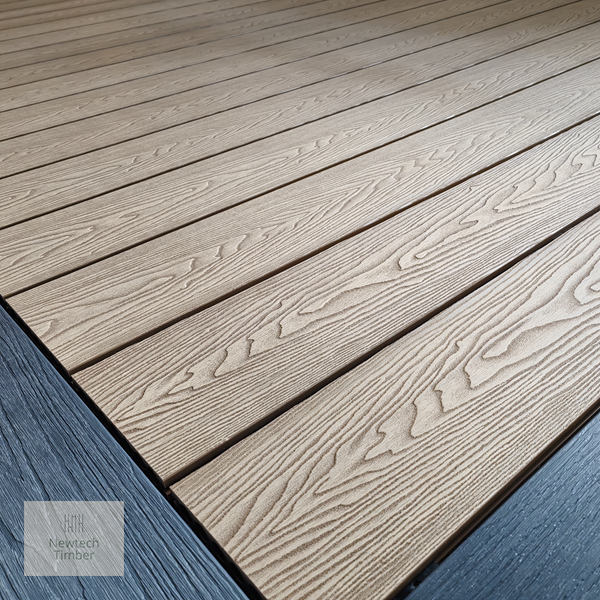
Aesthetic versatility is yet another advantage of plastic wood grain cladding. It comes in a variety of colors, styles, and textures, allowing homeowners and designers to customize their outdoor spaces to match their vision. Whether aiming for a rustic cabin look or a sleek modern design, there are plastic wood grain options to suit every taste. This versatility enables architects and landscape designers to create cohesive outdoor environments that enhance the overall appeal of residential properties.
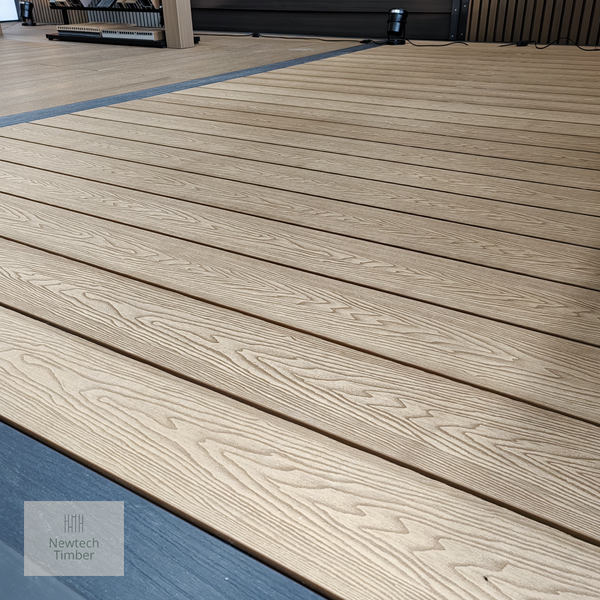
Safety is an important factor in outdoor design, and plastic wood grain cladding often features slip-resistant surfaces. This property is particularly valuable in areas that may become wet, such as pool decks and patios. The ability to provide a safe walking surface while maintaining a natural wood appearance adds to the overall utility of this cladding material.
In addition to its numerous practical benefits, plastic wood grain cladding can significantly enhance the value of a property. With its attractive appearance and low maintenance requirements, homes featuring this type of cladding can appeal to potential buyers. The combination of aesthetic charm and performance durability makes it a wise investment for homeowners looking to improve their outdoor living areas.
Choosing plastic wood grain cladding for outdoor spaces offers a myriad of advantages, from its resistance to environmental stressors to its low maintenance needs. With its aesthetic appeal, safety features, and sustainable attributes, it presents an ideal solution for anyone seeking to create inviting and lasting outdoor environments. As the demand for stylish and practical outdoor spaces continues to grow, plastic wood grain cladding stands out as a material that meets both functional and aesthetic needs effectively.

