When it comes to creating an inviting and functional outdoor space, the choice of decking material plays a crucial role. Composite decking has emerged as a superior alternative to traditional wood, offering a seamless and durable surface that meets the diverse needs of homeowners and commercial property managers alike. This shift in preference is not merely a trend; it reflects a deeper understanding of the long-term benefits that composite materials provide.
One of the most significant advantages of composite decking is its durability. Unlike wood, which can warp, splinter, and succumb to rot over time, composite materials are engineered to withstand the elements. They are resistant to moisture, UV rays, and extreme temperatures, making them ideal for a variety of climates. This resilience translates into lower maintenance costs, as homeowners do not need to spend time or money on regular sealing, staining, or painting. Instead, a simple wash with soap and water is often all that is needed to keep a composite deck looking new.
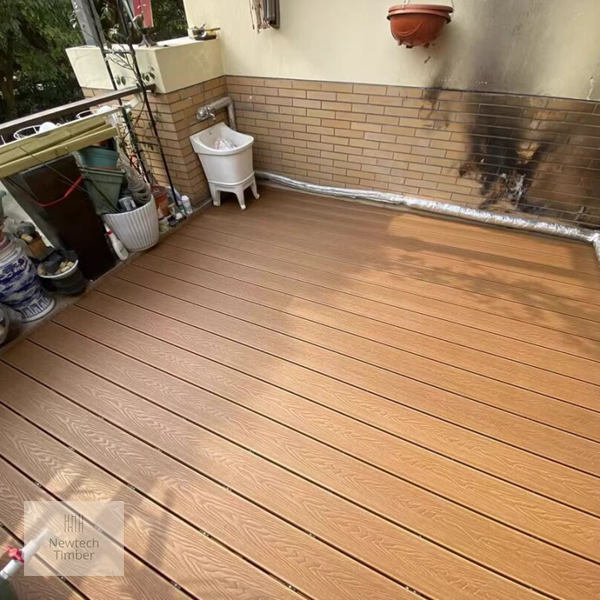
From a market application perspective, the demand for composite decking is on the rise. As consumers become more environmentally conscious, they increasingly seek materials that align with their values. Many composite decking products are made from recycled materials, which significantly reduces their carbon footprint. This appeals to eco-minded consumers who want to make sustainable choices without compromising on style or quality. Manufacturers are responding to this demand by offering a wide range of colors and textures that mimic the appearance of natural wood, allowing homeowners to achieve the aesthetic they desire while benefiting from the performance of composites.
Another key factor in the growing popularity of composite decking is its versatility. It can be used in various applications, from residential patios and balconies to commercial spaces such as restaurants and hotels. The seamless nature of composite decking creates a clean and modern look that enhances the visual appeal of any outdoor setting. Additionally, its slip-resistant surface makes it a safer option for areas that may be exposed to moisture, such as around pools or in outdoor dining spaces. This safety feature is particularly important for families with children or for establishments that welcome patrons of all ages.
The ease of installation further contributes to the appeal of composite decking. Many products are designed for straightforward assembly, often featuring interlocking systems that allow for quick and efficient installation. This not only saves time for contractors and builders but also reduces labor costs. Homeowners looking to undertake DIY projects will find that composite decking is user-friendly, enabling them to create their dream outdoor spaces without the need for specialized skills or tools.
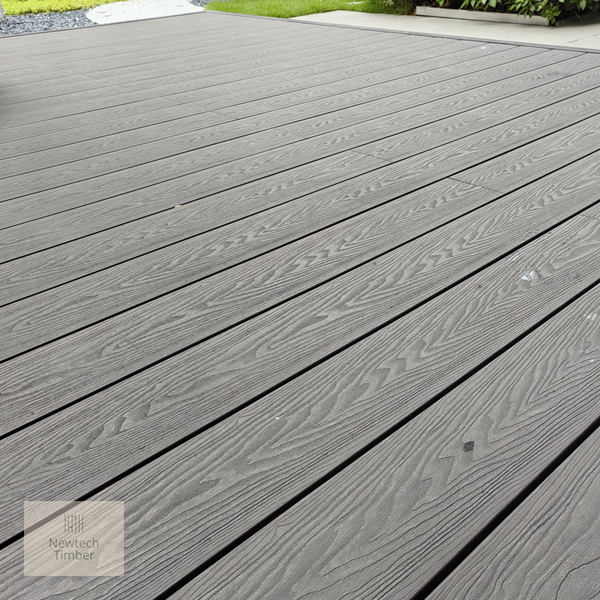
In terms of market trends, the composite decking industry is experiencing significant growth. As urban areas become more densely populated, the demand for outdoor living spaces is increasing. Homeowners are looking to maximize their property’s potential, and a beautiful deck can serve as an extension of their indoor living area. This shift towards outdoor entertaining is driving sales of composite decking products, as consumers recognize the value of investing in durable and visually appealing surfaces that can withstand years of use.
Moreover, the longevity of composite decking enhances its marketability. With a lifespan that can exceed twenty years, composite materials offer a long-term investment for property owners. This durability can be a selling point for real estate agents, as prospective buyers often view a well-maintained outdoor space as a desirable feature. As more properties incorporate composite decking, it is likely to become a standard expectation in the market.
Finally, the innovation within the composite decking sector continues to evolve. Manufacturers are investing in research and development to create even more advanced materials that offer additional benefits, such as enhanced durability and improved aesthetics. This ongoing innovation ensures that composite decking will remain a leading choice for outdoor surfaces, catering to the changing preferences of consumers while meeting the demands of modern design.
The shift towards composite decking over traditional wood reflects a broader trend of prioritizing sustainability, durability, and design in outdoor spaces. As this material continues to gain traction in both residential and commercial applications, it is clear that composite decking is poised to redefine the standards for outdoor surfaces, providing homeowners and businesses with a practical and stylish solution for their outdoor needs.

