Recycled plastic wood cladding has emerged as a prominent solution for eco-friendly outdoor designs, combining sustainability with aesthetic appeal. This innovative material is manufactured through a sophisticated production process that transforms waste plastic into durable cladding products, offering a multitude of benefits for both the environment and outdoor architectural applications.
The production of recycled plastic wood cladding begins with the collection of post-consumer plastic waste. Common sources of this plastic include discarded bottles, containers, and packaging materials. The initial step in the process involves sorting and cleaning the plastic waste to remove contaminants such as dirt, labels, and other non-plastic materials. This phase is crucial as it ensures the quality of the final product. Once sorted, the plastic is ground into small flakes or pellets, making it easier to process in subsequent manufacturing stages.
The next stage involves melting the plastic flakes at high temperatures. This melting process is carefully controlled to avoid degradation of the material, as excessive heat can compromise the structural integrity of the plastic. Once melted, additives such as colorants and UV stabilizers may be incorporated to enhance the performance and appearance of the cladding. These additives serve to protect the material from fading and degradation due to exposure to sunlight, ensuring that the cladding maintains its aesthetic qualities over time.
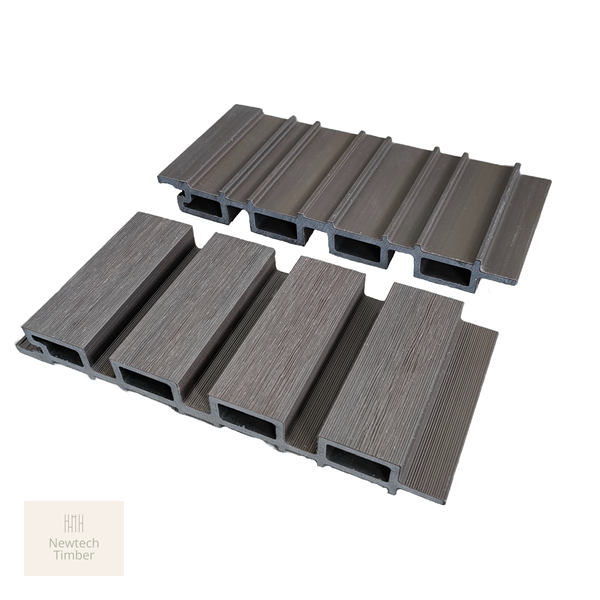
After the plastic has been appropriately modified, it is extruded into the desired cladding profile. The extrusion process involves forcing the melted plastic through a die, which shapes it into long continuous sections resembling traditional wood planks. This step allows for a wide range of design possibilities, making it possible to create various textures and finishes that mimic the natural look of wood while retaining the advantages of plastic. The extruded material is then cooled and cut into specific lengths for packaging and distribution.
An important aspect of recycled plastic wood cladding is its ability to incorporate wood fibers or other natural fillers during the manufacturing process. This integration not only enhances the visual appeal of the cladding, giving it a more authentic wood-like appearance, but also improves its mechanical properties. The combination of plastic and wood fibers results in a material that is both lightweight and strong, making it suitable for various outdoor applications, including decking, fencing, and siding.
Once the cladding is produced, it undergoes a series of quality control tests to ensure it meets industry standards. These tests assess the material’s durability, resistance to weather elements, and overall performance in outdoor conditions. The rigorous quality assurance process guarantees that the final product will withstand the rigors of outdoor use, providing long-lasting solutions for eco-conscious consumers.
The environmental benefits of recycled plastic wood cladding are significant. By utilizing waste plastic that would otherwise end up in landfills or oceans, this production process helps reduce plastic pollution and promotes the circular economy. Furthermore, the durability of the cladding means it requires less frequent replacement compared to traditional wood, which can deteriorate over time due to rot and pests. This longevity contributes to lower maintenance costs and a reduced environmental footprint.
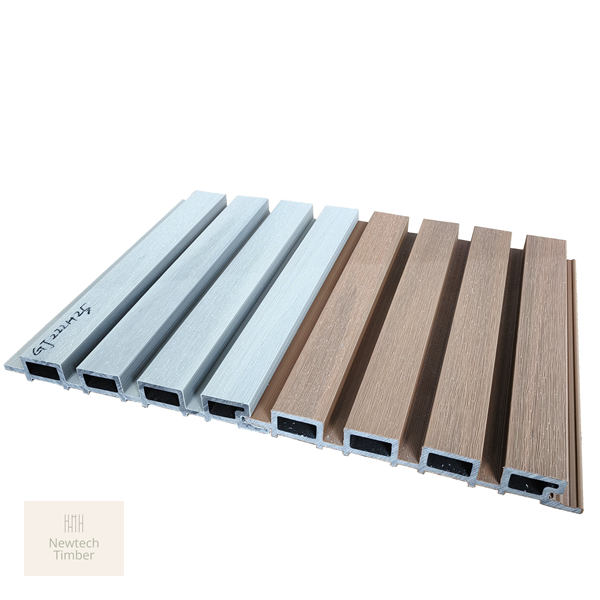
In addition to its sustainable attributes, recycled plastic wood cladding offers practical advantages for outdoor applications. It is resistant to moisture, mold, and insects, making it an ideal choice for environments prone to these challenges. Unlike natural wood, it does not warp or splinter, ensuring safety and comfort for users. The cladding can be easily cleaned with soap and water, maintaining its appearance without the need for harsh chemicals or extensive maintenance routines.
As the demand for eco-friendly building materials continues to rise, recycled plastic wood cladding stands out as a versatile and sustainable option for outdoor solutions. Its production process not only addresses the pressing issue of plastic waste but also provides a durable and aesthetically pleasing alternative to traditional wood products. Through innovation and responsible manufacturing practices, recycled plastic wood cladding contributes to a more sustainable future in architecture and design, offering both environmental advantages and practical benefits for consumers.

