When planning an outdoor project, one of the key considerations that project managers and homeowners face is the cost of materials. Among various options available in the market, Wood Plastic Composite (WPC) panels have gained popularity due to their durability and aesthetic appeal. However, understanding the cost dynamics of WPC panels, particularly from the perspective of global production capacity and price advantages, is essential for making informed decisions.
WPC panels are manufactured using a blend of wood fibers and plastic materials, making them an ideal choice for outdoor applications where moisture and UV exposure are prevalent. Their resilience against rot and decay often outweighs that of traditional wood, leading to a longer lifespan. However, the cost of WPC panels can vary significantly based on multiple factors, including the geographical location of production, the raw materials used, and market demand.
The global distribution of WPC panel production plays a crucial role in determining prices. Major manufacturing hubs are located in regions with abundant resources and favorable economic conditions. For instance, countries in Asia, such as China and Malaysia, have established themselves as leading producers. They benefit from lower labor costs, which can significantly reduce the overall manufacturing expenses. As economies of scale are achieved, these manufacturers can offer competitive pricing, making their products attractive in international markets.
In contrast, regions with higher labor costs, such as North America and parts of Europe, may face challenges in competing on price alone. However, they often emphasize quality and sustainability in their production processes. This differentiation can justify higher prices for consumers who prioritize eco-friendly practices and superior product longevity. Understanding these regional dynamics can help consumers assess whether they are getting the best value for their investment in WPC panels.
Moreover, the availability of raw materials is another critical factor affecting WPC panel pricing. The cost of wood fibers and plastic resins can fluctuate based on market conditions. For example, if there is a rise in demand for recycled plastics, prices for those materials might increase, subsequently impacting the cost of WPC production. Regions that have easy access to these raw materials can maintain lower production costs, allowing them to offer more attractive prices to retailers and end-users.

Additionally, transportation costs must be considered when evaluating the overall cost of WPC panels. Shipping materials from distant production facilities can add significant expenses, especially if the panels need to be imported from overseas. Local sourcing can mitigate these costs, making it beneficial to consider domestic manufacturers when selecting WPC panels for your project. This not only helps in reducing logistics expenses but also supports local economies.
Market demand also plays a vital role in shaping WPC panel prices. As outdoor living spaces become increasingly popular, the demand for durable and low-maintenance materials has surged. This growing trend can lead to price increases, particularly if supply does not keep pace with demand. It is essential for consumers to stay informed about market trends, as fluctuations in demand can impact pricing strategies.
When planning your next outdoor project, it is advisable to conduct thorough market research. Comparing prices from various suppliers, understanding their production capabilities, and evaluating the quality of their products will provide a clearer picture of what to expect. Additionally, considering seasonal influences on pricing can be advantageous. Certain times of the year may see promotional offers or discounts that can help in reducing the overall costs.
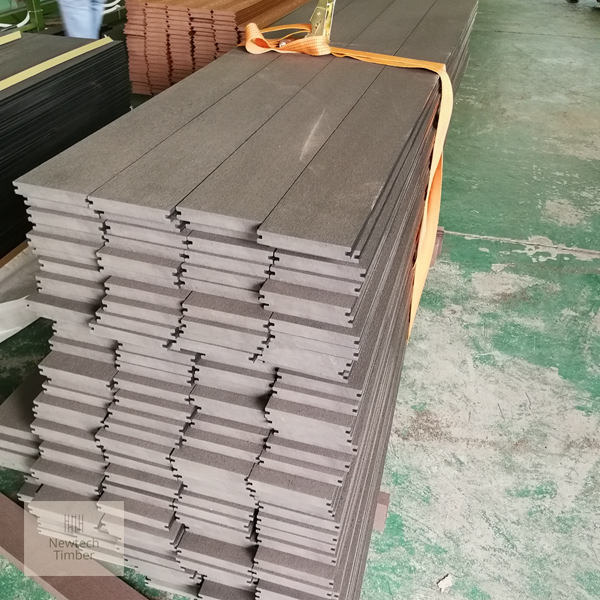
Customization options for WPC panels can also introduce variations in pricing. Manufacturers often offer a range of finishes, colors, and sizes, allowing consumers to tailor their choices according to their specific needs. However, customized solutions may come at a premium, so it is essential to weigh the benefits against the additional costs.
Ultimately, the choice of WPC panels for outdoor projects involves a careful assessment of various cost-related factors. By understanding the global production landscape, evaluating local and international suppliers, and considering market dynamics, consumers can make informed decisions that align with their budget while ensuring quality and durability for their outdoor spaces. This strategic approach not only maximizes value but also contributes to a successful and satisfying project outcome.

