The Spectrum of Composite Decking Colours
Composite decking has gained remarkable popularity among homeowners and builders alike due to its versatility and resilience. One of the standout features of this material is the extensive range of colours available, which can complement various architectural styles and design preferences. Manufacturers often offer a palette that includes natural wood tones, vibrant shades, and contemporary greys, enabling customers to select a colour that seamlessly integrates with their outdoor environment. The ability to customise colours allows for unique designs; whether a client wants a rich mahogany finish or a sleek charcoal hue, the options are virtually limitless.
Each colour can be tailored to match specific design aesthetics. For example, a rustic cabin may require warm, earthy tones, while a modern urban loft may call for cooler, muted shades. The flexibility in colour selection contributes significantly to the overall appeal of composite decking, making it an attractive option in both residential and commercial projects.
Customisation of Surface Textures
Alongside colour choices, surface textures play a pivotal role in the aesthetic and functional attributes of composite decking. Manufacturers utilise advanced technology to create a variety of finishes, including smooth, embossed, and slip-resistant surfaces. Customisation in surface texture can enhance not only the visual appeal but also the practicality of the decking. For example, a textured surface can provide better traction, making it suitable for poolside installations or areas prone to wet conditions.
The decision on surface texture often aligns with the intended use of the decking. A high-traffic commercial area may require a more durable surface, while a residential setting might favour a softer finish for comfort. Various textures also provide different levels of maintenance; smoother surfaces may require less cleaning, while textured options can help hide dirt and wear.
Profile Dimensions for Diverse Applications
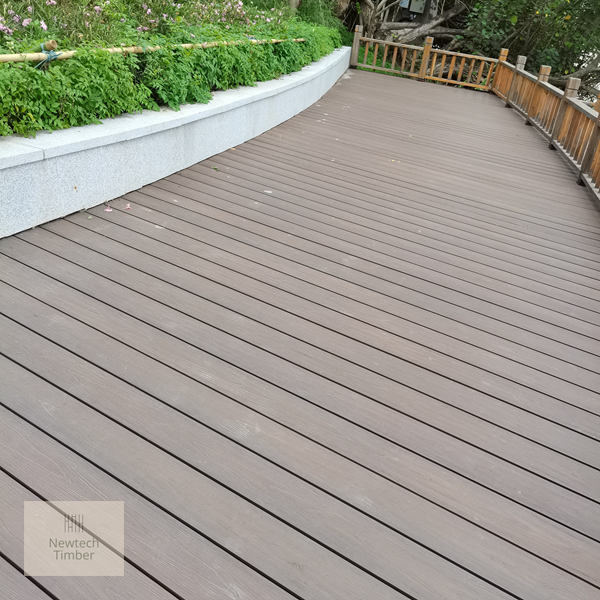
The dimensions of composite decking profiles are another area where manufacturers offer customised solutions. Profile dimensions can significantly impact the structural performance and aesthetic appeal of the decking. Wider boards can create a more contemporary look and reduce installation time, while narrower boards may be better suited for intricate designs or curved layouts.
In commercial applications, the thickness and width of the boards can be tailored to accommodate specific load requirements and usage patterns. Custom profiles can also support unique design features, such as integrated lighting or drainage solutions. By adjusting the profile dimensions, manufacturers can ensure that the decking meets both aesthetic and functional demands.
Packaging Solutions Tailored for International Markets
As an OEM customisation specialist, it is crucial to understand the importance of packaging in the global marketplace. Different regions may have unique requirements for packaging, influenced by factors such as transportation methods and environmental regulations. Manufacturers may offer bespoke packaging solutions to ensure that composite decking arrives safely and in pristine condition.
Custom packaging not only protects the product but also enhances branding opportunities for clients. Packaging can be designed to reflect the brand image of the distributor, including colour schemes, logos, and product information. This level of detail can set products apart in a competitive market and create a lasting impression on customers.
Branding and Special Applications
Branding is an essential aspect of product differentiation in the composite decking industry. Manufacturers can work closely with clients to develop packaging and product branding that resonates with target audiences. This can include custom colour schemes, logos, and even specific branding messages that highlight unique selling points, such as sustainability or innovative technology.
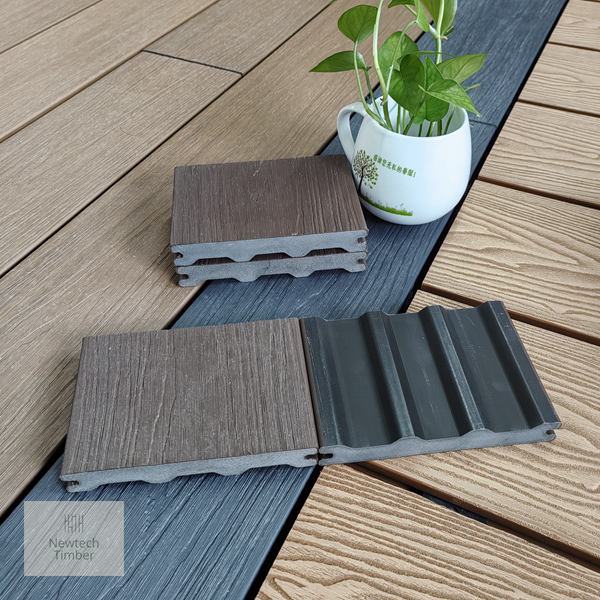
Special applications also broaden the appeal of composite decking products. For instance, some manufacturers are now exploring colours and textures specifically designed for marine applications or enhanced fire resistance. These innovations allow builders and designers to utilise composite decking in a wider array of settings, further solidifying its role in modern construction.
Global Trends Influencing Composite Decking Colours
As trends in interior and exterior design evolve, so too do the colours of composite decking. The rise of eco-friendly materials has led to increased demand for natural and organic colour palettes that mimic the look of traditional wood. Additionally, the popularity of minimalist designs has resulted in a surge in demand for neutral tones, such as greys and taupes, which provide a clean and sophisticated backdrop for outdoor spaces.
Beyond aesthetic trends, cultural influences also shape colour preferences. In markets around the world, colours can evoke different sentiments and meanings, leading to varying demands for specific shades in composite decking. Manufacturers who can adapt their offerings to align with these global trends stand to gain significant advantages in an increasingly competitive market.

